By Francis Kobena Tandoh
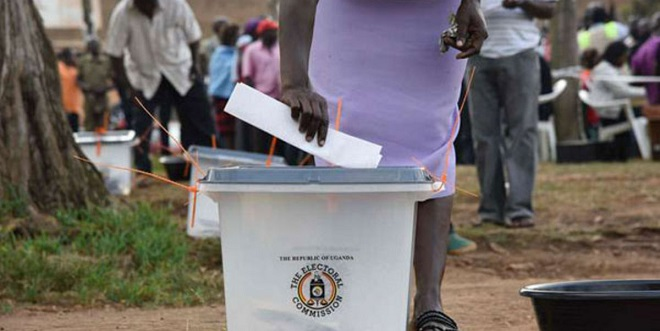
A total of 10 African countries will hold presidential elections across the continent, according to the African elections calendar released by the Electoral Institute for Sustainable Democracy (EISA).
According to the South African-based organisation, the first presidential election on the continent for the year will take place in Uganda on Jan. 15, where President Yoweri Museveni is seeking a seventh term, marking 40 years since he first took power.
Museveni, now 81, removed presidential term limits in 2005 and age limits in 2017. His National Resistance Movement is campaigning on the themes of economic continuity and stability.
The Republic of Congo will organise the next election on March 22, and President Denis Sassou Nguesso, who has been in power since 1997 and removed the age limit for the president in 2015, is expected to seek another term, extending his decades-long grip on power in Central Africa.
In the month of April, Benin and Libya will be in the spotlight in Africa. Benin will hold a presidential election on April 12 after its National Assembly election on Jan. 11, while a tentative date is yet to be fixed for Libya’s presidential and House of Representatives’ election, which will take place during the fourth month of the year.
Similarly, Djibouti’s presidential election is expected to come off in April, where many political watchers believe the incumbent, President Ismail Omar Guelleh, is widely expected to extend his rule in the Horn of Africa state.
Ethiopia is scheduled to hold a general election on June 1 as the East African country continues to manage post conflict tensions and deep political reforms under Prime Minister Abiy Ahmed.
Since 1995, Ethiopia has held elections every five years, except for the 2021 election, delayed by COVID-19.
The incumbent party has consistently secured over 95 percent of national parliament seats, except for 2005, when the opposition won about 32 percent. In 2021, the ruling Prosperity Party won 96.8 percent of the seats.
Presidential elections are scheduled to be held in São Tomé and Principe by July this year, though a tentative date is yet to be fixed. On Jan. 6 last year, President Carlos Vila Nova dismissed Prime Minister Patrice Trovoada and his government, citing Trovoada’s prolonged absence and his government’s failure to solve multiple issues.
Zambians are expected to go to the polls on Aug. 13 to elect a president and members of the national assembly, councillors, and council chairs. Incumbent president, Hakainde Hichilema, who has received endorsements from some members of the United Party for National Development (UPND) Alliance, is expected to win the contest.
West African country, The Gambia, will hold its presidential election on Dec. 5, and incumbent president Adama Barrow is running for a third term.
On Dec. 22, South Sudan will follow with its general elections, the first since its independence on July 9, 2011.
Apart from the presidential elections, Algeria, Cameroon, Morocco, Somaliland, South Africa, and Western Sahara will hold legislative elections to elect representatives to their various national assemblies. Enditem
Source: Ghana Eye Report
Share Us