The report was launched today at the opening of the First Africa Health Data Forum, taking place from 10 to 12 November 2026 in Nairobi, Kenya
Gaps in recording deaths, tracking health needs and using reliable health information could delay lifesaving interventions, leave preventable health risks undetected and make it harder for communities to access essential healthcare, according to a new World Health Organization (WHO) report. Based on an assessment of 40 countries in the WHO African Region, the report reveals major weaknesses in the systems governments rely on to understand why people are dying, identify emerging health threats and direct health services and resources where they are most urgently needed.
One of the most concerning findings relates to the recording of deaths and their causes. Only 19 of the 40 countries assessed reported notifying authorities of at least 80% of deaths, while 21 reported recording the cause of death for at least 80% of registered deaths. When deaths are not properly documented and investigated, health authorities may fail to identify recurring causes of preventable mortality, delaying action to address gaps in care and leaving more people exposed to risks that could otherwise be prevented.
The report, The Maturity and Functionality of Health Information System in the WHO African Region, also reveals an important gap between collecting health information and ensuring that it is reliable and used effectively. Only 43% of countries assessed reported having sufficient capacity to analyse health data at health facility level, while just 25% reported sufficient capacity at that level to assess data quality. Without the skills and systems to check and interpret information where healthcare is delivered, health managers may struggle to recognize gaps in services, monitor emerging health risks and determine where additional staff, equipment and other resources are needed.
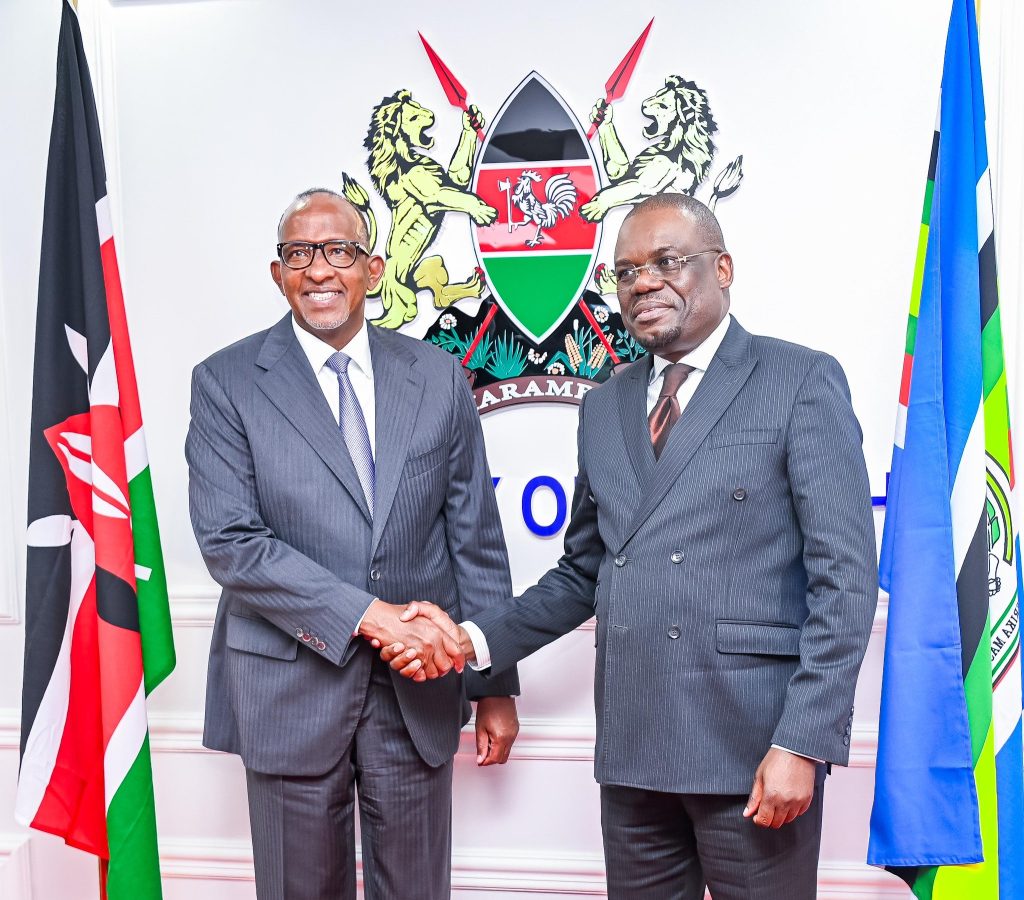
“When we do not know why people are dying, which children are missing essential services or where communities face the greatest health risks, we may overlook the very people who need our attention most. Countries have made important progress in collecting health data, but information must lead to action. We need stronger investment, skilled professionals and better coordination to turn reliable information into decisions that prevent avoidable deaths, improve healthcare and reach the most vulnerable communities” said Dr Mohamed Janabi, WHO Regional Director for Africa.
The report was launched today at the opening of the First Africa Health Data Forum, taking place from 10 to 12 November 2026 in Nairobi, Kenya. Bringing together Ministers of Health, senior government officials, WHO and development partners, the forum provides an opportunity to examine the findings, share country experiences and identify practical solutions and investment priorities.
Conducted in 2024 across 40 of the Region’s 47 Member States, the assessment found that health information systems achieved an overall maturity score of 59 out of 100, indicating that many countries are still at an early stage in developing the systems and capacities needed to produce and use reliable health information. Country scores ranged from 26 to 93, reflecting considerable differences in progress and the need for approaches tailored to national circumstances.
Financing and governance remain major challenges. Only 18% of countries assessed reported having a dedicated budget line for health information systems, while 35% had an up-to-date national policy to guide their development. The assessment also identified weaknesses in coordination, routine data-quality checks and the availability of trained professionals. These shortcomings can undermine efforts to maintain reliable information systems and ensure that investments translate into better healthcare services.
Despite these challenges, countries have made significant progress in digital health reporting. Forty-three of the Region’s 47 Member States have adopted a digital platform for collecting and reporting routine health information. However, only 20% of countries participating in the assessment reported implementing digital patient medical records, and fewer than half had established frameworks allowing different health information systems to exchange information. As a result, information from hospitals, laboratories and other health services can remain disconnected, making it harder to build a complete picture of people’s health needs and plan services effectively.
Country experiences illustrate how better information can help health authorities identify problems and take practical action.
In Zimbabwe, maternal and perinatal death reporting previously relied on paper-based records that could take weeks or months to reach decision-makers, delaying the identification of preventable risks. In Nigeria’s Bauchi State, health authorities used vaccination data and community-level information to identify children who had missed routine immunization and target underserved communities.
WHO and countries are taking steps to address these challenges. In August 2026, WHO launched the Regional Health Data Hub, a digital platform designed to bring together information from different health programmes and provide a more complete picture of population health. By making information easier to access, analyse and compare, the platform aims to help decision-makers identify underserved populations, monitor health trends and direct resources where they are needed most.
These findings will inform discussions at the First Africa Health Data Forum, where countries and partners will identify common and country-specific challenges, exchange practical solutions and explore opportunities for coordinated investment and action.
Discussions will also examine how digital health, artificial intelligence and other innovations can strengthen health information systems and support more responsive healthcare services. Enditem
Source: APO