By Professor Rufai Haruna Kilu
Introduction
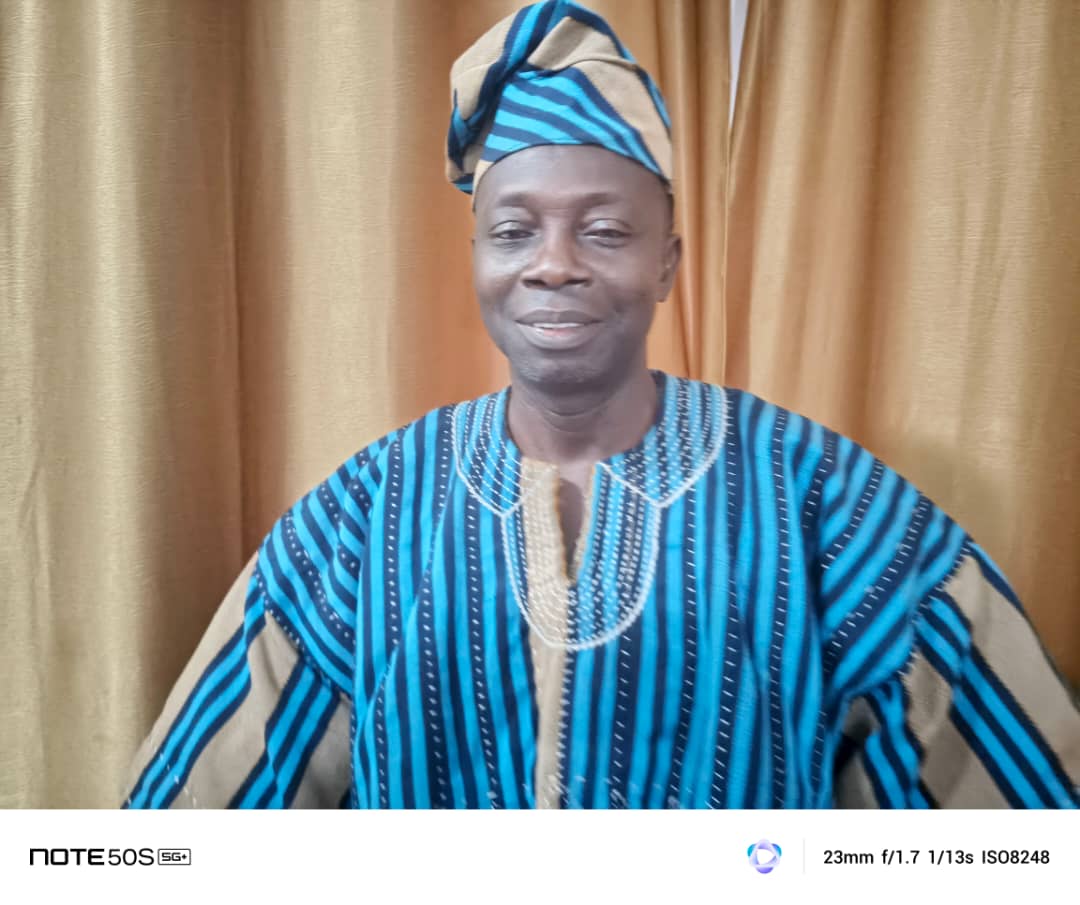
In Ghana, few garments carry as much weight and meaning as the smock. Known as Batakari, Fugu, Dansiki etc among the various ethnic groups. The smock is more than clothing. It is a story woven in cotton, a symbol of identity, and a proud cultural treasure. Historically, Daboya, a town in Ghana’s North Gonja District in Savannah Region, holds a special place in the cultural and economic history as the cradle of smock weaving. Smock weaving in Daboya dates back centuries, rooted in the traditions of the Gonja people. Daboya’s weaving tradition is widely recognized as the most iconic. Different ethnic groups in Northern, Upper East, Upper West, North East and Volta Regions also have variations of the smock.
Smock vs. Blouse
The smock is a handwoven tunic, crafted from thick cotton strips and sewn into a loose-fitting garment. Its roots lie deep in northern Ghana, where weaving has been passed down for generations. Chiefs, elders, and warriors once wore it as a mark of authority, and today it has become a national attire embraced by all. A blouse, by contrast, is a loose-fitting upper garment, most often associated with women’s fashion. While stylish in its own right, it lacks the cultural depth and historical significance of the smock. This is why Ghanaians insist: the smock must never be reduced to being called a blouse.
Cultural Significance
The smock is a proud emblem of northern identity and a unifying symbol for Ghana. The smock originated in Savannah, woven from narrow cotton strips on traditional looms. Its design was practical for the savannah climate, offering protection against sun and wind, while also serving as a cultural marker of status and belonging. The smock is worn by chiefs, elders, and ordinary citizens alike. It represents dignity, resilience, and authenticity. It balances Ghana’s cultural heritage alongside Kente from the south, making it a national symbol of unity.
Traditionally, the smock was worn during festivals, rites of passage, and important state functions. It continues to be a garment of respect, often donned by leaders and dignitaries to signify authority and cultural continuity. The smock is now recognized internationally as a fashion statement blending African heritage with modern designs.
Economic Viability
Beyond culture, the smock is an economic powerhouse waiting to be fully tapped. It has the potential to contribute meaningfully to livelihoods, the fashion industry, and national branding. Smock weaving is a generational craft, sustaining thousands of artisans, weavers, and traders. It provides direct jobs in weaving, tailoring, dyeing, and embroidery, as well as indirect jobs in marketing and distribution. Contemporary designers are integrating smock fabric into modern styles such as shirts, jackets, dresses, and accessories, making it attractive to younger audiences. This innovation expands its market beyond traditional use, positioning the smock as both cultural attire and a fashion statement.
With global interest in African fashion rising, the smock can become a major export commodity. International markets, especially in diaspora communities, value authentic African textiles, creating opportunities for Ghanaian artisans to earn foreign exchange. Tourists often purchase smocks as souvenirs, boosting local economies. The smock’s uniqueness strengthens Ghana’s cultural brand abroad, much like Kente has become a global symbol of Ghanaian identity. Beyond weaving, the smock industry can stimulate cotton farming, textile production, and small-scale enterprises. With proper investment, the smock can anchor a sustainable value chain that supports rural development.
Conclusion
The smock is not a blouse – it is Ghana’s cultural treasure and a promise of prosperity. By investing in artisans, modernizing production, and promoting the smock internationally, Ghana can preserve its heritage while unlocking new economic opportunities. Each smock tells a story of the past, but it also weaves a vision for the future.
The writer is a Professor at the University of Professional Studies, Accra. Tel. Number: 0244298923.
Share Us