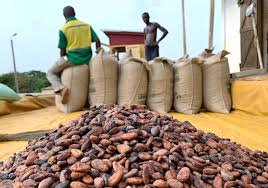

When workers on Ghana’s offshore oil platforms and mining sites sit down to eat, the tomatoes, yams, and peppers on their plates are not imported.
They come from smallholder farmers across Ghana who now have a guaranteed buyer for their produce through Atlantic Catering & Logistics Ltd.
The Founder and CEO, Maud Lindsay-Gamrat, believes successful business and economic development go hand in hand. It is a philosophy she has spent a decade putting into practice.
“Every tomato, every yam, every pepper we buy from a Ghanaian farmer is money that stays in our economy. We are not just feeding our clients, we are contributing to the rural economy,” says Lindsay-Gamrat.
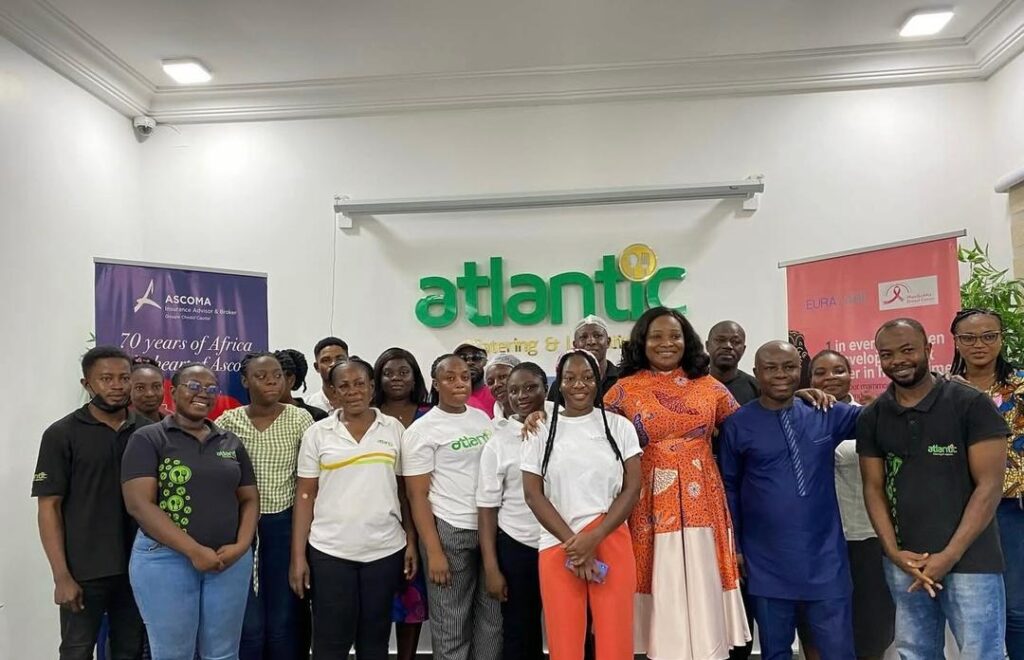
She has built a supply chain that sources fresh produce directly from local farmers to feed workers on offshore platforms and mining sites. This creates a ready market for farmers, reduces post-harvest losses, and keeps millions of cedis circulating in rural communities rather than flowing overseas for imported food.
It is an approach that has made Atlantic Catering one of Ghana’s biggest hospitality businesses, with 600 employees, a ranking of 20th on the prestigious Ghana Club 100 list by the Ghana Investment Promotion Centre, and clients including oil and gas multinationals, mining operations, and airline companies.
Maud spent fifteen years in senior management at a multinational inflight catering company before launching Atlantic Catering in 2014. Feeding passengers at 35,000 feet left no room for error, and it shaped her understanding of what excellence requires: systematic processes, uncompromising standards, and attention to every part of the supply chain.
When Ghana’s extractive industries began expanding, she took on the opportunity for local content. “There was an opportunity. Seizing it required more than meeting international standards. It required proving that local content and world-class quality are not trade-offs. They can reinforce each other,” she explained.
She pursued ISO certifications for food safety, environmental management, and occupational health, a significant financial investment. Atlantic Catering was the first Ghanaian catering company to join the UN Global Compact Network.
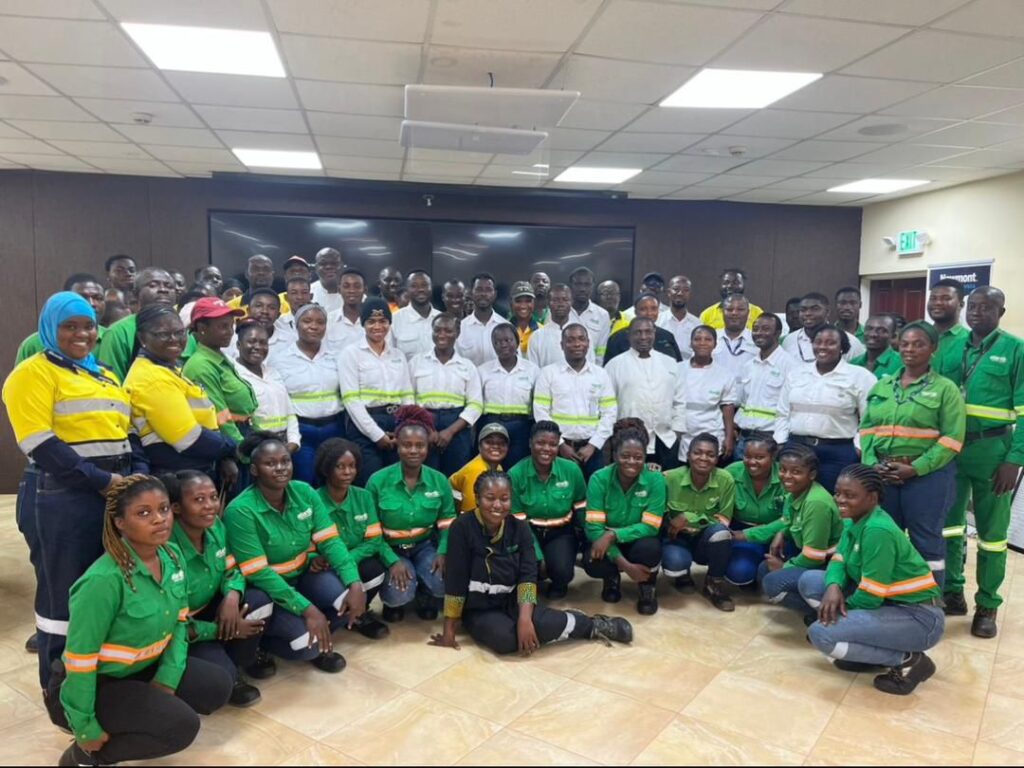
The certifications opened doors to multinational clients, but they also raised standards across her supply chain. Farmers supplying Atlantic Catering must meet quality and safety requirements, creating a ripple effect that professionalises agricultural production.
Her commitment to raising standards extends beyond corporate clients. Through the ‘Clean Bites’ initiative under the Atlantic Cares Foundation, her company has trained over 1,300 street food vendors across Ghana in safe food handling and sanitation practices. “Excellence shouldn’t be reserved for multinationals; every Ghanaian deserves safe food,” she says.
Maud, who has a Business degree from the University of Professional Studies, Accra, and a Global Executive MBA from China Europe International Business School, runs dedicated training programmes for employees, with particular focus on women, including emotional intelligence and leadership courses. “I believe in lifting as I climb,” she emphasised.
She now plans to take her business model across Africa while maintaining the local sourcing approach that has defined Atlantic Catering’s success.
“I want Atlantic Catering to become the leading catering brand across the continent. Wherever we go, we will source locally. That is how you build economies and ensure local communities benefit,” she said.
For Ghana’s smallholder farmers, the message is simple: there is a buyer waiting for their harvest, and the market stretches all the way to the oil rigs.
Share Us