Ghana is seeking greater investment in forest plantation development to ease pressure on its natural forests and boost conservation efforts, an official has said.
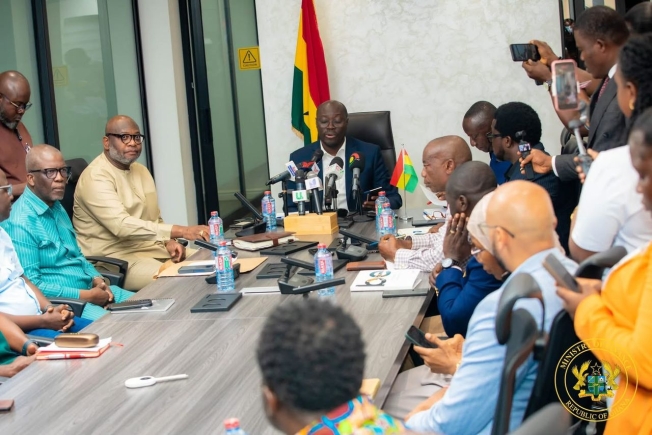
Hugh Brown, chief executive officer of Ghana’s Forestry Commission, recently told Xinhua after the commission’s annual press briefing that plantations provide alternative sources for forest products, such as timber and lumber, reducing the exploitation of natural forests.
“Currently in Ghana, we export 60 percent of forest products from forest plantations. Twenty years ago, we were doing less than 10 percent, so what this means is that gradually, we are shifting harvesting from natural forests to plantations, giving some respite to natural forests,” Brown said.
“This will enable us to preserve the natural forests and use them for recreation and ecotourism, but that requires more investments,” he said.
According to him, most of Ghana’s plantations are currently state-owned, though private sector participation is growing. Despite having abundant natural forests, Brown stressed the need for more plantations to complement them, particularly for sustainable harvesting of forest resources.
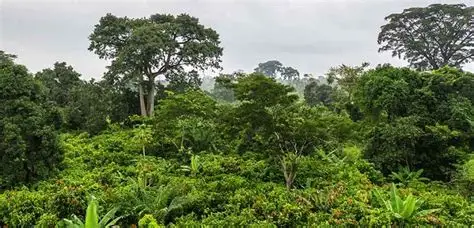
One key advantage of plantations, he explained, is that they typically contain only two or three tree species per site, allowing higher timber yields per unit area than natural forests. This makes plantations both economically and ecologically beneficial.
To expand plantation development, Brown disclosed that around 400 private entities have been allocated degraded sites within Ghana’s forest reserves for restoration projects aimed at timber production, carbon sequestration, and biodiversity enhancement.
These private sector efforts have created an estimated 17,300 jobs and improved livelihoods in communities nationwide through indirect employment, infrastructure development, and food security, he added.
Regarding timber production, the official said that as of November, 1.51 million cubic meters of natural forest timber had been harvested against an annual target of 2 million cubic meters. Over the same period, 209,194 cubic meters of plantation timber were harvested.
By October, exports of timber and timber products totaled 180,012 cubic meters, valued at 82.5 million euros (about 96.75 million U.S. dollars), he noted. Domestically, 519,887 cubic meters of lumber valued at 770 million cedis (around 66.91 million dollars) and 108,937 cubic meters of plywood valued at 640 million cedis were traded.
Brown also highlighted the commission’s intensified efforts to combat illegal logging and chainsaw operations nationwide. “The Forestry Commission, during the year, deployed the Rapid Response Teams to illegal timber operation hotspots to support efforts of the forest district teams,” he said.
Moreover, the commission has introduced stricter regulations on the disposal of confiscated logs and lumber, significantly reducing the volume of illegal timber on local markets.
In a landmark move this August, Ghana became the first African country and the second globally after Indonesia to issue Forest Law Enforcement, Governance, and Trade licenses for the export of legally sourced timber from responsibly managed forests to the European Union market.
This followed the ratification of 131 Timber Utilization Contracts by Ghana’s Parliament a month earlier. Enditem
Share Us