Across the 36 states, women occupy only 49 of 988 State House of Assembly seats, and in the top 50 companies listed on the Nigerian Exchange, female representation in executive and board roles remains low
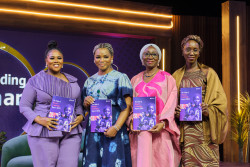
The Women in Leadership Advancement Network (WILAN) Global (https://WILANGlobal.org) has released the first-ever State of Women’s Leadership Report 2025, offering a data-driven view of women’s representation across political institutions, public appointments, and corporate boards. The launch also marks WILAN’s seventh anniversary and reinforces its commitment to advancing gender equity through research, advocacy, and leadership development.
The report highlights persistent gaps in leadership: women hold just 4.5 percent of National Assembly seats, 8 of 48 federal ministerial positions, and only 41 of 811 local government chair positions. Across the 36 states, women occupy only 49 of 988 State House of Assembly seats, and in the top 50 companies listed on the Nigerian Exchange, female representation in executive and board roles remains low. The report also examines representation in key sectors such as law, economy, and health, offering insight into areas of progress and opportunities for targeted interventions. An interactive dashboard allows stakeholders to explore insights across sectors and leadership levels.
Speaking on the launch, Abosede George-Ogan, Founder and Executive Director of WILAN Global, said:
“This report is more than a publication. It is a call to action. Nigerian women are ambitious, capable, and ready to lead. The data shows that progress is possible when institutions commit to intentional practices that support women’s growth. We hope that this report fuels deeper conversations and stronger interventions that pave the way for the next generation of leaders.”
The findings will inform the next phase of MsRepresented, WILAN’s digital advocacy initiative focused on shifting public perceptions of women in leadership through storytelling, guided dialogue, digital community engagement, and policy advocacy. This phase will amplify the report’s insights and support the call for at least 35% representation across public and private leadership.
“The data is clear. Women are not underperforming; they are underrepresented. Nations that prioritise gender-balanced leadership are more prosperous and stable. This report provides a benchmark that leaders can use to make progress intentional, visible, and measurable,” said Nafisa Atiku-Adejuwon, WILAN Board member.
Source: APO
Share Us