Scrap dealers in Ghana’s capital, Accra, demanded safer ways to recover valuable materials from discarded electronics – saying the work feeds their families but exposes them to injuries and toxic pollution from electronics dumped by Western nations.
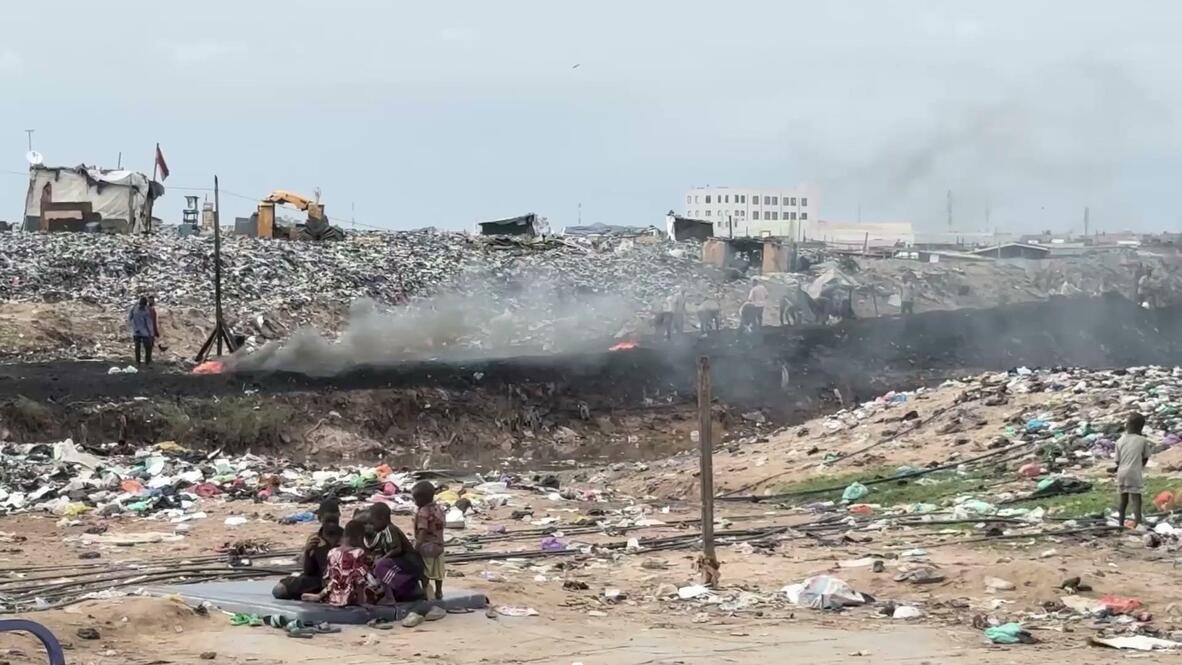
Footage shows workers dismantling discarded electronics in the Agbogbloshie area, long associated with the city’s informal scrap trade.
It is the largest electronics dump in Africa, with waste from Europe and North America.
“We are getting small, small because when you sit at home, there is no food for a lazy man. Yeah, we are suffering here. Our suffering is too much,” said scrap dealer Zakaria Abdallah.
Abdallah described the risk of cuts and appealed for better protection.
“At times we use gloves when we are at work, and at times when we are not working, it’s different. You understand, but we need more protective [gears] that can help us,” he added.
Fellow scrap dealer Haruna Musah described the dangers of working with fire, saying workers lacked safer alternatives.
“Because of the rubbers, maybe you may be doing it, then maybe some of the fire will jump [or] some will even enter to your shirt, or fall onto your legs. We don’t know how [else] to do it, so we are just managing it this way,” Musah said.
The World Health Organisation warns that unsafe e-waste recycling can release lead, mercury and other harmful substances into air, soil and water, with children particularly vulnerable.
“People are inhaling all these pollutants when they burn them,” said Ezekiel Chibeze, executive coordinator of the Strategic Youth Network for Development, warning about residents’ exposure to smoke from waste burning.
Ghana’s Environmental Protection Act, passed in 2025, covers hazardous and electronic waste. The country’s E-waste Fund says an advance eco-levy on producers and importers helps finance safer waste management.
But Ezekiel argued that “enforcement has always been a challenge”, saying the Environmental Protection Authority needed to do more to put existing rules into practice.
The original Agbogbloshie scrapyard was demolished in 2021, but research has documented continued recycling in nearby areas and elsewhere in Accra.
For scrap dealer Mohammed Nurudeen, the priority is keeping the work while finding a safe destination for materials that cannot be recovered.
“We don’t mind how many quantities they bring here. We want as lot as we can get, but the only thing we ask for is ways to dispose of the wasteful part, the part that don’t have use over here. Ways to dispose them off without harming the environmental or community.”
His appeal coincides with COP31 climate negotiations in Antalya, Turkey, running from November 9 to 20. Globally, 62 million tonnes of e-waste were generated in 2022, with just 22.3 percent documented as formally collected and recycled, according to the UN’s Global E-waste Monitor 2024.
Source: Viory