Gambia urged Myanmar to bring those responsible to justice and allow displaced Rohingya to return home after the International Court of Justice (ICJ) ruled on Thursday that Myanmar committed genocide during its 2017 military crackdown.
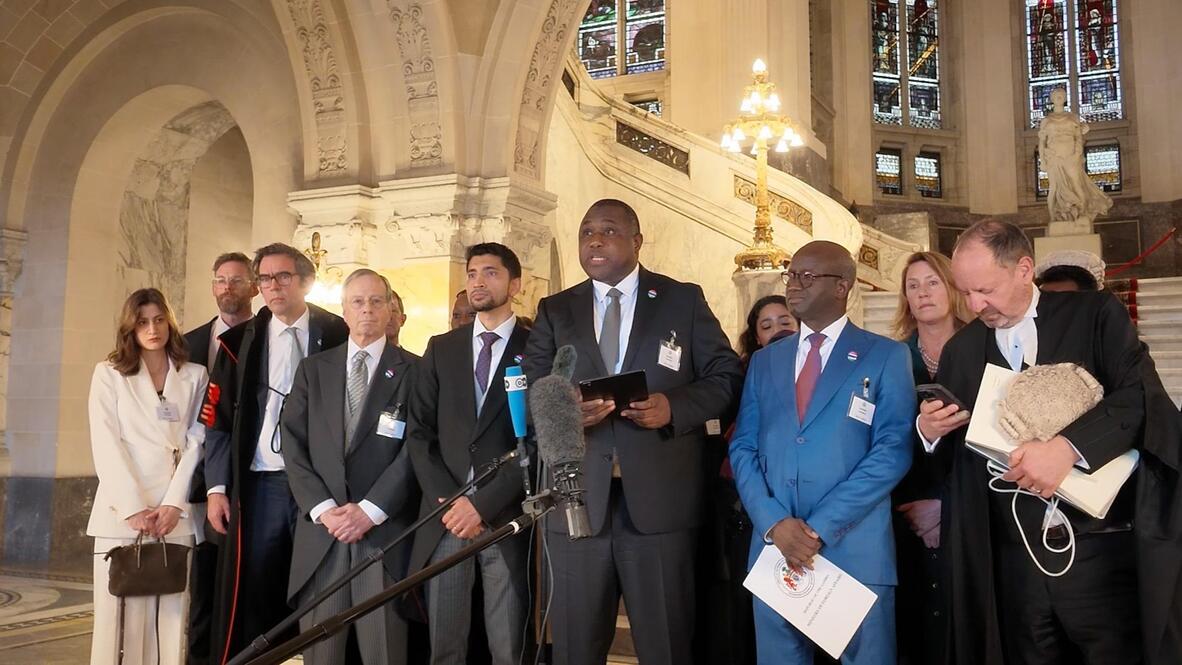
Footage shows Gambian officials speaking to reporters at the Peace Palace in The Hague after the ruling, as protesters outside hold up banners welcoming the decision.
“Today, the International Court of Justice confirmed what Rohingya has said since 2017. What was done to them was genocide, and Myanmar is responsible,” Gambian Justice Minister Dawda Jallow said.
“We call on Myanmar’s authorities to comply fully and without delay, and end discrimination, guarantee safe, voluntary, and dignified return, restore citizenship and identity rights, and punish those responsible,” he added.
Judges ruled by nine votes to six that Myanmar committed genocide against the Rohingya in northern Rakhine State. It was the first time the UN’s highest court had found a state responsible for committing genocide. The court said the evidence supported a UN investigators’ estimate of at least 10,000 deaths and documented widespread sexual violence and attacks on civilians fleeing towards Bangladesh.
The court ordered Myanmar to investigate suspected perpetrators and to prosecute and punish them where warranted. It also ordered Myanmar to allow displaced Rohingya to return home safely, voluntarily and with dignity, and to pay compensation. The court will determine the amount in a later phase.
“The court was very comprehensive in its order of restitution. It’s very clear that the Rohingya need to be allowed to safely, in a dignified way, return to their lands,” said Arsalan Suleman, a lawyer representing The Gambia.
Outside the Peace Palace, members of the Edera Collective displayed photographs of Rohingya people as protesters celebrated the ruling.
“We want to reach media coverage about what’s going on. And we think the situation is super relevant. And that’s why we want to bring it in front. That’s why the idea is to make a public installation and not be in a gallery,” said Fabio, a member of the collective.
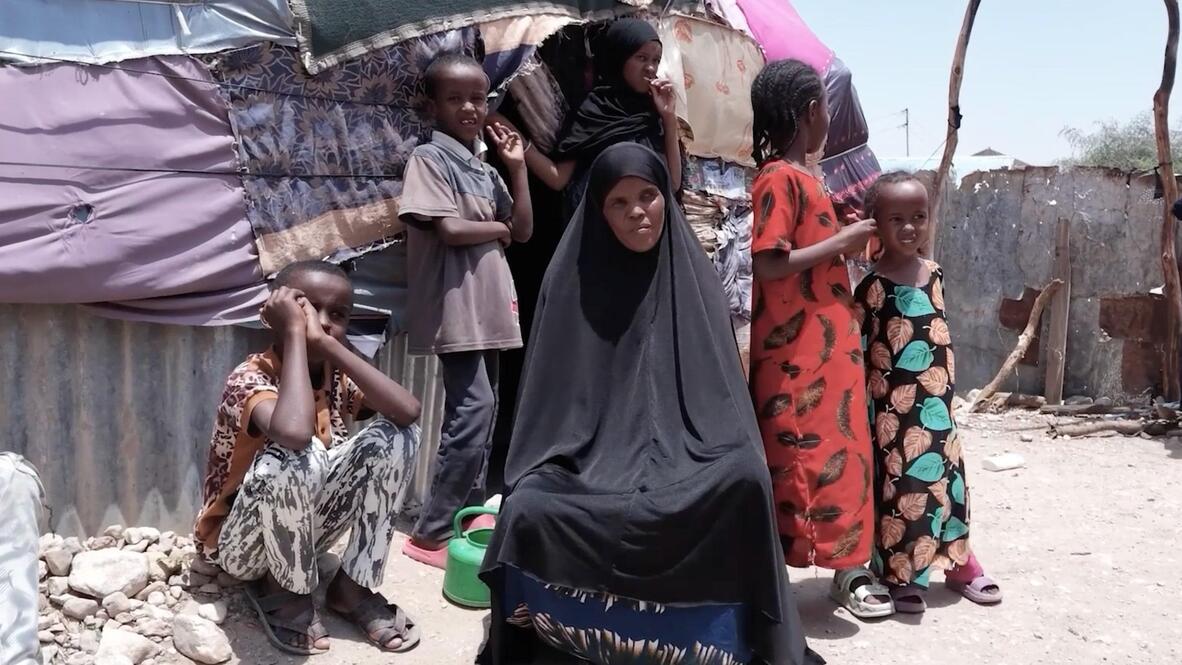
The Gambia brought the case in 2019 with the backing of the Organisation of Islamic Cooperation. The 2017 crackdown drove more than 750,000 Rohingya into neighbouring Bangladesh, according to the UN refugee agency.
During the case, Myanmar denied committing genocide and argued that its military was responding to attacks by Rohingya insurgents. Judges concluded that the evidence pointed to an intent to destroy a substantial part of the Rohingya population.
Source: Viory