The average Ghanaian worker produced GH¢15,197 worth of economic output in 2025, nearly three times the approximately GH¢5,000 recorded in 1991, representing a 178% increase in labour productivity over 35 years, according to a report by the Ghana Statistical Service (GSS)..
However the significant improvement in output has not translated into corresponding gains in workers’ earnings, with average earnings reaching GH¢9,388 in 2025, still below their 2019 level.
The figures are contained in the Ghana Statistical Service’s 2026 Productivity, Employment and Growth (PEG) Report, which examines the country’s productivity, employment and economic performance between 1991 and 2025.
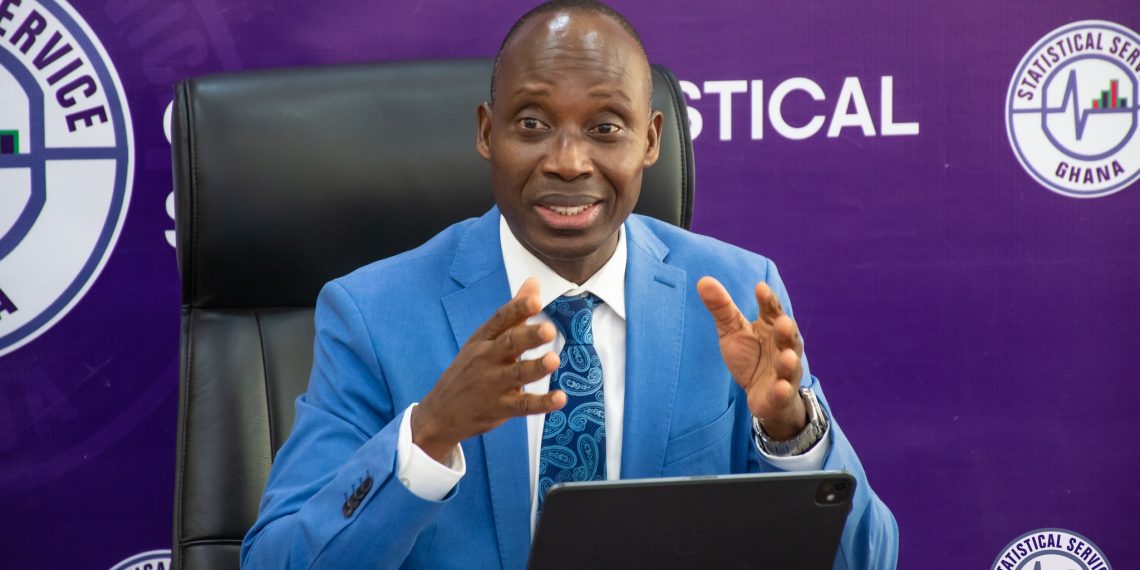
Government Statistician, Dr Alhassan Iddrisu, who presented the findings, described the productivity improvement as significant but cautioned that the benefits must translate into better incomes and working conditions.
“Pay has not kept pace,” he said, highlighting the widening disconnect between the value workers generate and what they earn.
The disparity raises an important question about how effectively Ghana is translating economic expansion into improved living standards, particularly as businesses and workers contend with the cost of sustaining production and household incomes.
Dr Iddrisu argued that productivity must remain central to Ghana’s economic transformation, stressing that “No country can raise wages for long without it.”
He identified industrialisation, skills development, digitalisation, the 24-hour economy and the African Continental Free Trade Area as key areas where productivity improvements would determine the country’s competitiveness.
For Ghanaian businesses seeking to expand their presence in regional markets, he said, productivity was no longer optional.
“If Ghanaian products are to win in Africa, especially in Africa’s market within the AfCFTA, Ghanaian firms and workers must be productive. That’s a necessity,” he said.
The report also points to limited growth in productive capital, with equipment available per worker increasing by only about 1% annually.
“Our next gains must come from using what we have better,” Dr Iddrisu said.
Ghana’s economy grew by 6% in 2025, with income per person reaching US$3,385. The challenge, however, is ensuring that stronger economic output delivers more meaningful gains in workers’ earnings. Enditem