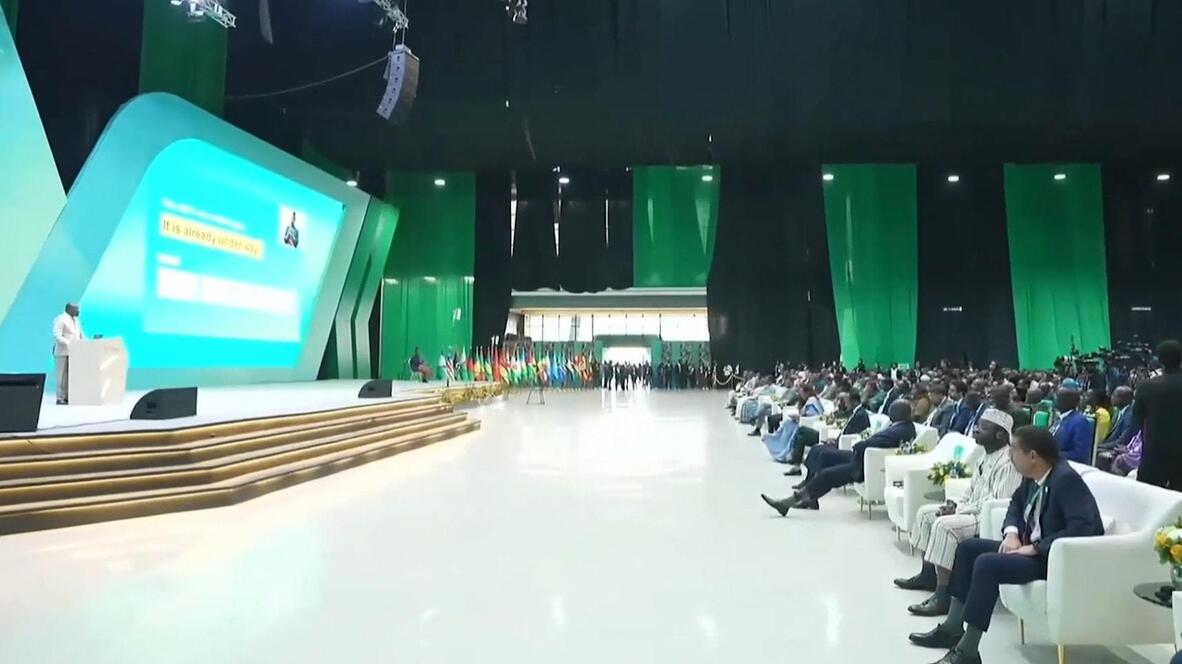
Africa CDC Director-General Jean Kaseya called for a fundamental shift in Africa’s relationship with international health partners as the fifth International Conference on Public Health in Africa concluded in Addis Ababa on Friday.
Kaseya stressed the importance of strengthening cooperation between African countries, pointing to instances of governments procuring medicines from overseas despite their availability in neighbouring countries.
“Our job as Africa CDC is to create a community of practice, to make sure that African countries are talking to each other. They know what each other is doing, because for the longest time, this is what we didn’t have,” Kaseya said.
While acknowledging the historical contribution of international partners to Africa’s healthcare systems, the director-general insisted that future cooperation must be built on mutual respect and equal partnerships.
“Today this is a call to our partners: the old model is the past,” he stressed. “As Minister [of Health] Mekdes [Daba Feyssa] said, let us now walk and move together toward partnership, because Africa is ready for this partnership. But Africa is no longer this continent where partners will come to dictate us.”
Kaseya also stressed that health sovereignty must go hand in hand with responsibility, challenging African governments to pay healthcare workers, provide basic medical services and establish robust governance and accountability systems.
“How do you want partners to respect you if you don’t pay your health workers? How do you want partners to respect you if you cannot provide even the basic services to your population?” Kaseya asked.
“As Africans, we are not there to point fingers to partners. The first finger we need to point [is] to ourselves, to say, how are we addressing these issues?” He added.
The director-general also revealed that Africa CDC had mapped pharmaceutical manufacturers across the continent, identifying joint procurement and coordinated medicines regulation as key steps towards reducing dependence on external suppliers.
“Let me tell you that this continent, if we move on with the African Pooled Procurement Mechanism, if we move on with the African Medicines Agency, if we really accept to do the small sacrifice, this continent will no longer be dependent on external,” he said.
“Don’t think that sovereignty will be partners coming to give you without you doing something. This is why we say we’ll be working with our partners,” he concluded.
Co-hosted by Africa CDC and the Ethiopian government from November 23 to 27, the conference brought together political leaders, health officials and scientists to discuss domestic health financing, epidemic preparedness and pharmaceutical manufacturing.
According to Africa CDC, Sudan, South Sudan and Botswana signed the African Pooled Procurement Mechanism agreement during the conference, while Zimbabwe is completing the necessary procedures to join. Five Southern African Development Community (SADC) countries also joined a regional joint procurement initiative expected to generate savings of around $200 million.
The initiatives support the African Union’s target of producing 60 percent of the continent’s vaccine requirements domestically by 2040, as African governments face declining foreign health assistance and growing pressure to strengthen their own healthcare systems.
Source: Viory