By Francis Kobena Tandoh
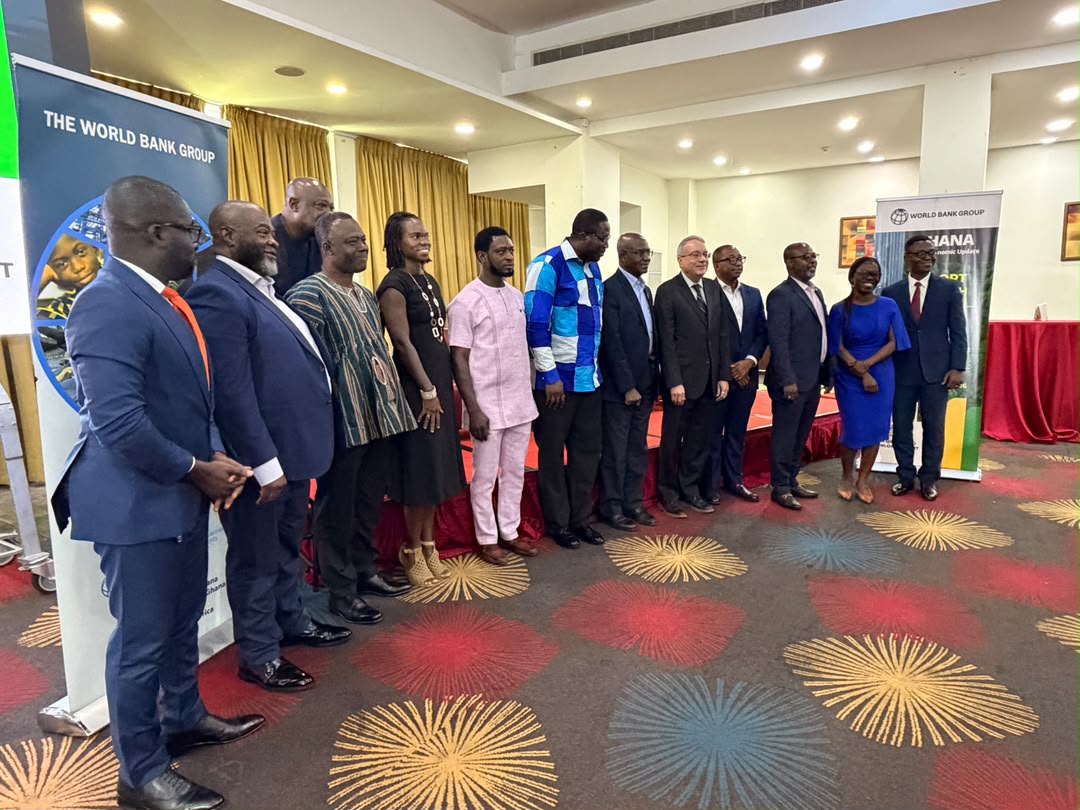
The government of Ghana deserves some credit for the difficult decisions made in recent times for the economic turnaround,” Robert Taliercio, Division Director of the World Bank for Ghana, Sierra Leone, and Liberia, said during the launch of the Tenth Ghana Economic Update in the Ghanaian capital, Accra, on Wednesday.
The World Bank Country Director said the choices made now will determine whether the gains of the past two years translate into durable transformation or prove fragile in the face of the next shock.
The Ghanaian economy grew by 6.0 percent in 2025 and accelerated further to 6.4 percent in Q1 2026; headline inflation fell from 23.2 percent in February 2025 and currently stands at 4.6 percent, while Ghana successfully concluded its Extended Credit Facility program, a hard-won marker of restored credibility.
The country’s primary surplus of 2.5 percent of gross domestic product (GDP) in 2025 exceeded the 1.5 percent target, with continued momentum in the first half of 2026. Public debt declined from 70.3 percent of GDP in 2024 to 49.0 percent at the end of 2025, with international reserves rebuilt on the back of a strong trade surplus, driven by record gold export receipts.
He said, “The recovery from the 2022 crisis is real and measurable. The government deserves credit for the difficult decisions that made these results possible.”
Despite the positive economic indicators in recent months, Mr. Taliercio, however, cautioned Ghana is not out of the woods yet as he emphasized the fiscal surplus was achieved largely through expenditure compression.
According to him, the spillover effects from the prolonged Middle East conflict can exacerbate global trade disruptions, leading to higher energy prices, production costs, and broad inflationary pressures on the economy, as well as Ghana’s heavy export concentration in gold and cocoa, leaving the country vulnerable to adverse price shifts that could rapidly reverse the external gains and pressure the exchange rate, inflation, and public finances.
On the domestic front, the World Bank boss said SOE pressures in the energy and agricultural sectors remain acute; the recent flooding in the country is a clear signal that climate resilience must be embedded in infrastructure planning from the outset as well as the business environment being a further drag on growth potential.
He urged the need to diversify the export base not just as a long-term ambition but also as a near-term risk management imperative.
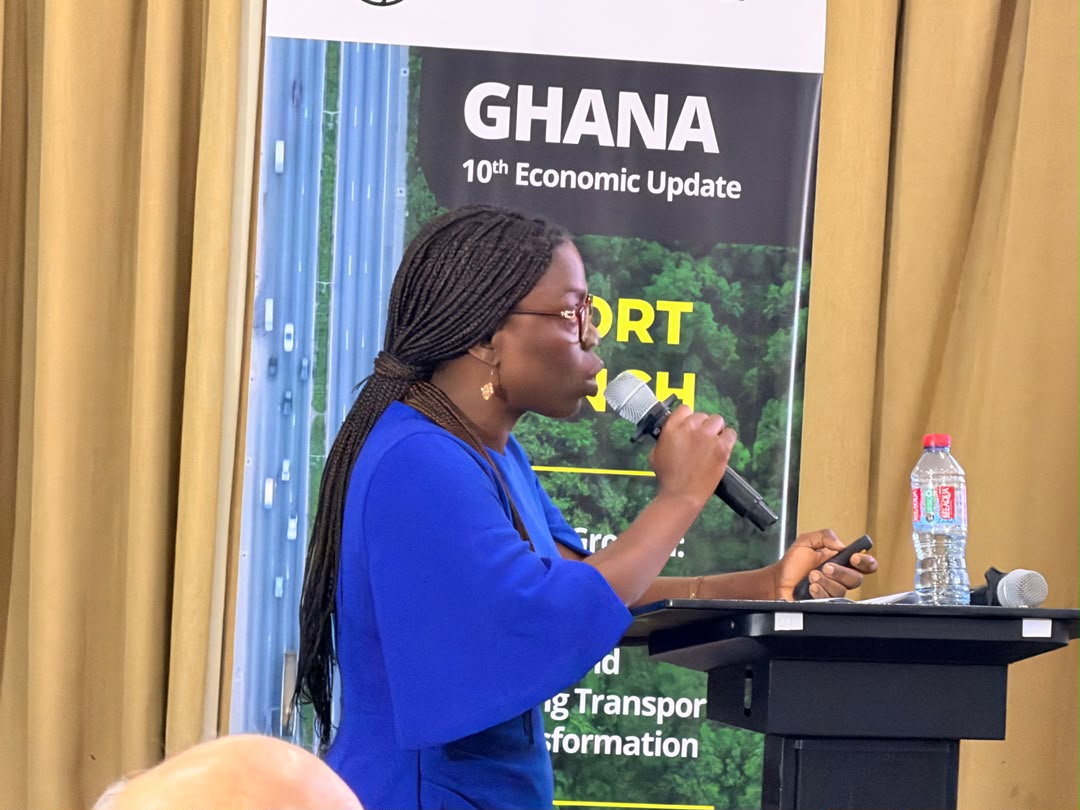
Akua Pokuaa Timpabi, World Bank transport specialist and co-author of the report, highlighted how central it is to Ghana’s growth, jobs, and inclusion agenda.
She said, “Transport is not only an infrastructure issue; it is central to Ghana’s growth, jobs, and inclusion agenda. Better-maintained roads, stronger rail and port linkages, safer urban mobility, and climate-resilient infrastructure can reduce the cost of doing business, connect farmers and firms to markets, and expand access to jobs.”

The Coordinating Director at the Ministry of Finance, Samuel Arkhurst, said the foundations laid by the Ghanaian government are much firmer today than in previous times, stressing the need for sustained partnership to bring about real progress for the people.
“Ghana is resetting for growth. The foundations are firmer than they have been in years. The direction is clear. What is needed now is disciplined implementation and the kind of sustained partnership that turns potential into real progress for our people,” said Arkhurst.
He commended the World Bank for the Tenth Economic Update, emphasizing that the alignment between the bank’s transport reform priorities and those of the government on maintenance financing, institutional coordination, and climate-resilient infrastructure gives them the confidence that they are moving in the same direction, with instruments that reinforce one another.
The World Bank’s tenth Ghana Economic Update is titled “Reset for Growth: Sustaining Macroeconomic Recovery and Unlocking Transport for Transformation.”
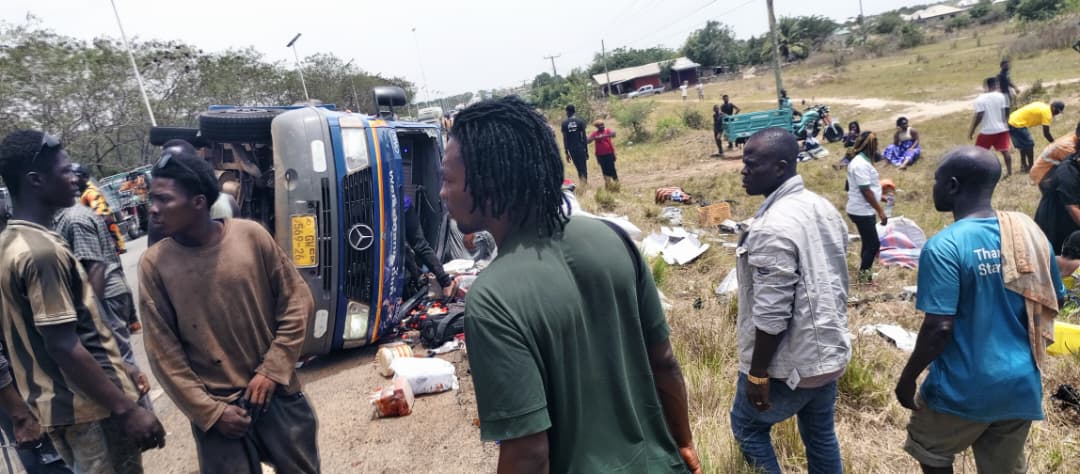
The report highlights 6 priority transport reforms to help Ghana turn infrastructure investment into stronger growth and job creation. These include sustainably funding road maintenance, improving coordination across transport agencies, revitalizing rail freight along key trade corridors, treating road safety as an economic priority, integrating climate resilience into transport planning and financing, and expanding digital logistics systems beyond Tema to improve port, inland terminal, and road asset management.
The report argues that Ghana’s 2026 infrastructure ambitions, including the Big Push Infrastructure Program, can support productivity and employment if capital investment is accompanied by stronger maintenance systems, better project preparation, improved governance, and credible financing frameworks. Enditem
Source: Ghana Eye Report