
By Francis Kobena Tandoh
With glitz and glamour, Ghana marked the maiden edition of the Black Star Fashion Summit, 2026, in the national capital, Accra, on Wednesday.
The event centred on how the West African country can leverage fashion alongside music, food heritage and the arts to strengthen its identity as a destination.
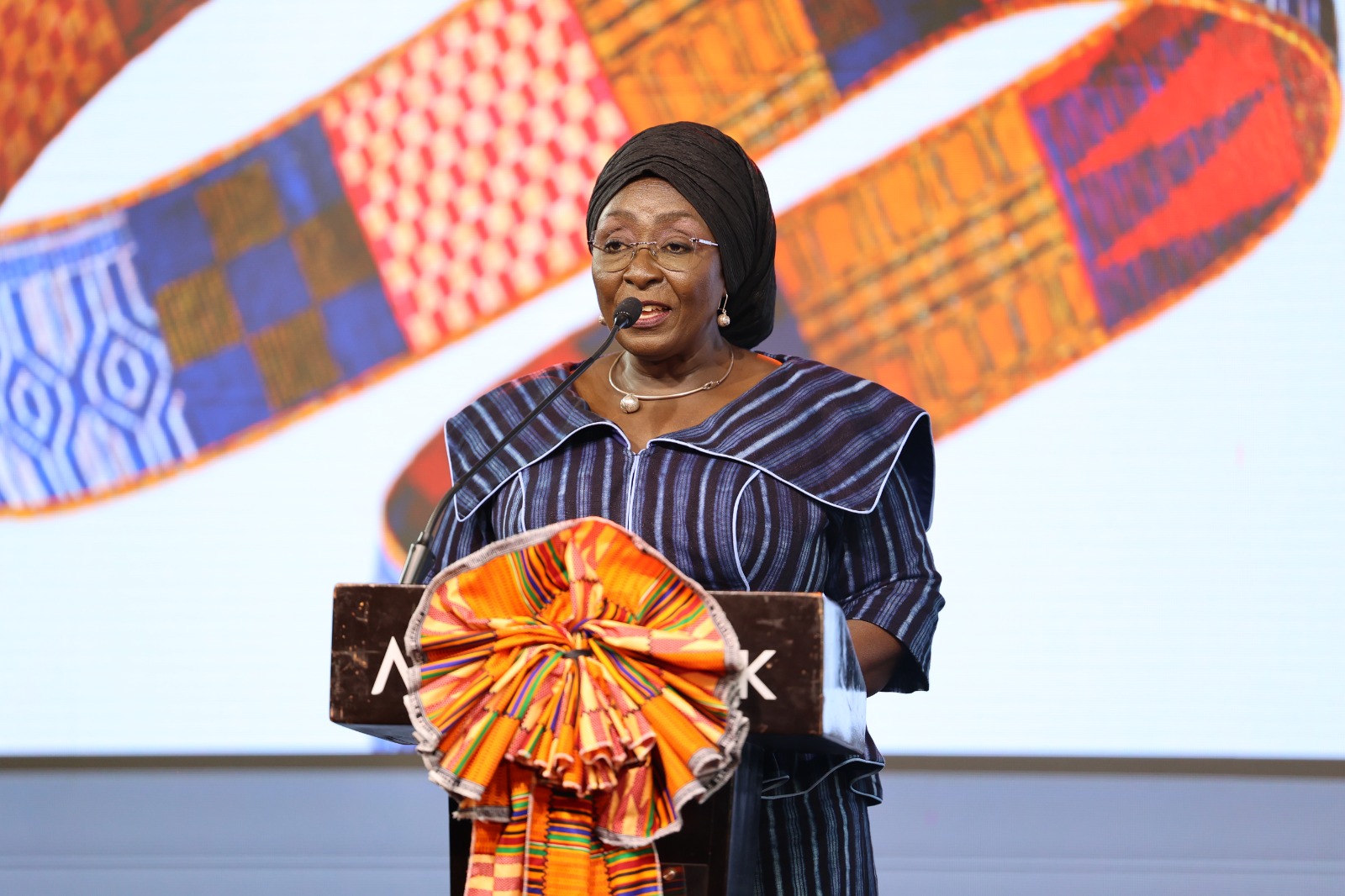
Ghana’s Minister for Tourism, Culture & Creative Arts, Dzifa Abla Gomashie urged stakeholders in the fashion industry to work towards building their brand into a globally competitive one.
Speaking at the summit under the theme “Put Ghana on”, the minister stressed the interconnectedness of culture, fashion and tourism and urged the need to integrate fashion into the country’s tourism.
She said, “Ladies and gentlemen, at the Ministry of Tourism, Culture and Creative Arts, we recognise that fashion, culture and tourism are interconnected and mutually reinforcing sectors. Culture gives fashion its identity. Fashion gives culture contemporary expression. Tourism provides the international platform through which these expressions can be experienced, appreciated and commercialised.”
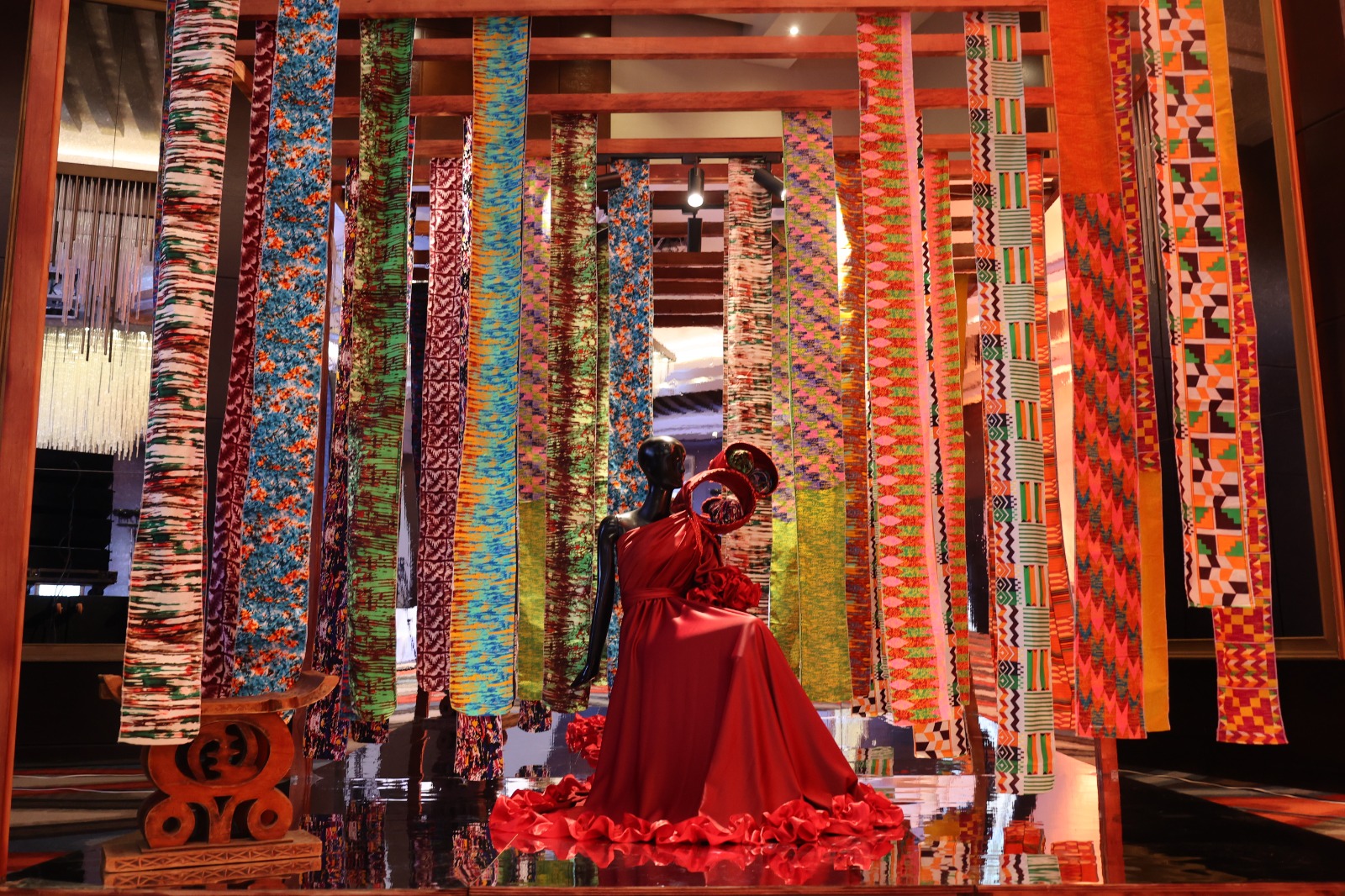
“We must therefore deliberately ‘integrate fashion into Ghana’s tourism offerings. Our fashion weeks, textile exhibitions, cultural festivals, heritage tours, creative markets, and fashion showcases should become important features of our national tourism,” added Gomashie.
The Tourism Minister urged the various stakeholders to work together to build a fashion industry that is commercially successful, culturally authentic, and globally competitive.
UNESCO Representative in Ghana, Edmond Moukala, emphasised the importance the creative industries play in the economies of countries.
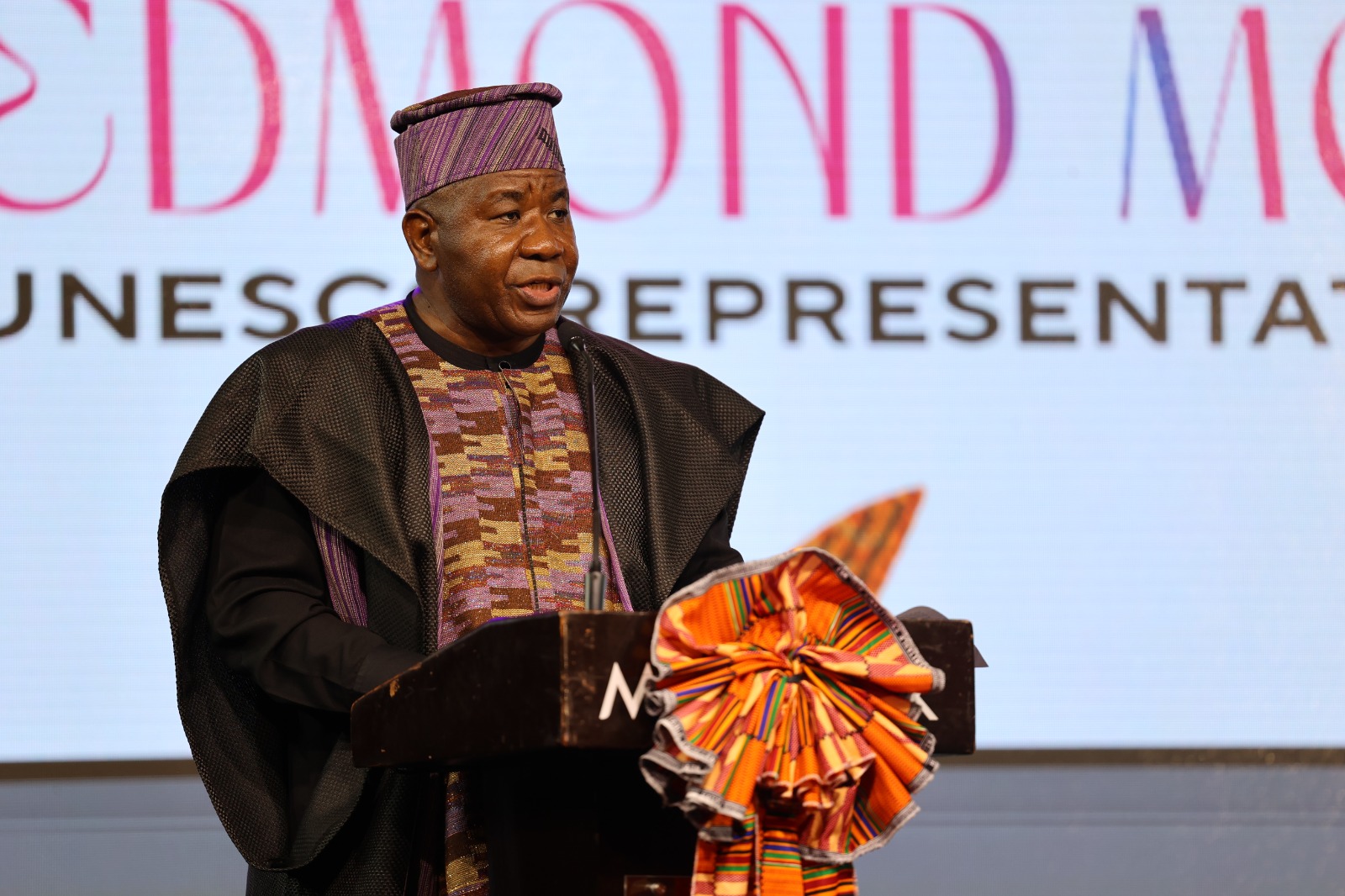
“This platform demonstrates that our creative industries are not peripheral but central to the economy; they are actually central to it. It challenges the position from showcasing designs to building an industrial ecosystem. It invites us to consider how Ghana can strategically position its creative intellect within the African and global market to create jobs and grow resilience in business,” said Moukala.
Coordinator for Black Star Experience Rex Omar said despite the enormous potential of the fashion industry, it faces several setbacks, including access to the finance market development, infrastructure, skill development, intellectual property protection, industry data and international competitiveness.
He said, “The government’s recognition is that an industry of this importance requires more than applause and occasional celebration; we must confront the structural challenges holding the industry back, identify opportunities for growth, and create the conditions that will allow Ghanaian fashion to compete confidently on the global stage.
According to UNESCO’s report on the African fashion sector, culture and creativity contribute over 3 per cent of global GDP and more than 6 percent of global employment.
The export of textiles, clothing and footwear on the continent, according to the report, is estimated to be approximately 15.5 billion U.S. dollars annually. Enditem


