






Ghana is prioritizing investments and partnerships in renewable energy, electric mobility (e-mobility) and sustainable real estate as key pillars of its 24-hour economy strategy to accelerate industrialization and economic development, a senior government official said on Tuesday.
Augustus Obuadum Tanoh, senior presidential advisor and coordinator of the 24-Hour Economy program, told participants at the three-day Ghana Investment and Trade Week and Africa Build Show in Accra, the Ghanaian capital, that the cost of electricity is a key determinant of the competitiveness of production.
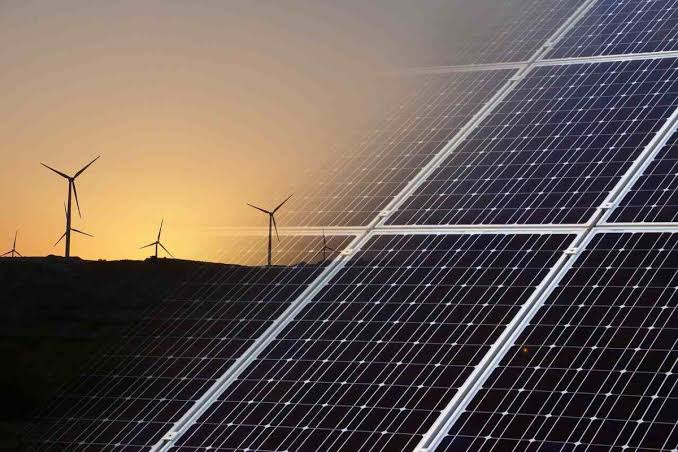
Tanoh said the ongoing crisis in the Middle East, dwindling fossil fuel reserves and the rising cost of fossil fuels underscore the need to transition to renewable energy, which he said is both more affordable and essential for building manufacturing-based economies.
He added that the government has set a target of 2035 to establish agro-industrial parks across the country in partnership with the private sector to process agricultural products. The initiative will be complemented by a sustainable real estate program to provide affordable housing for workers in these agro-industrial communities.
“This is the Ghana of the future we are beginning to build now, which runs on renewable energy — the sun, the water of the River Volta, and compressed biogas — and that future is within reach,” Tanoh said, urging investors to partner with the government in advancing the country’s development agenda. Enditem

Comments are closed, but trackbacks and pingbacks are open.