Across 30 sub-Saharan African countries, women experiencing intimate partner violence are more than three times as likely to have recently acquired HIV
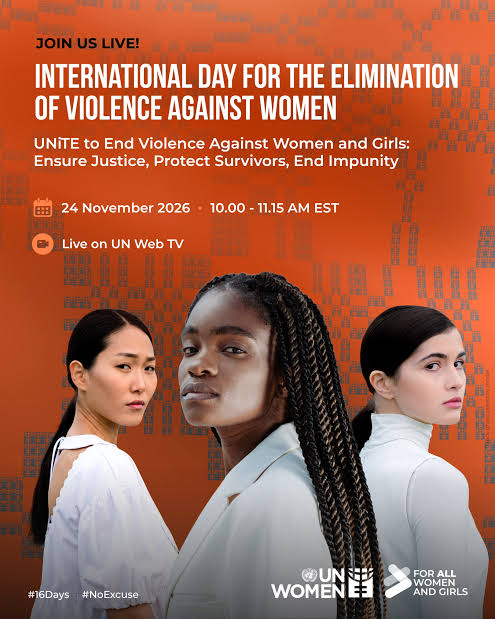
As the 16 Days of Activism against Gender-Based Violence begin, UNAIDS is calling on governments to end violence, coercion and discrimination against women and girls living with and at risk-of HIV, ensure access to justice for survivors and hold perpetrators accountable.
For many women and girls living with and at-risk of HIV, violence does not stop at home. It follows them into schools, online, clinics, maternity wards and even into courtrooms. Violations of bodily autonomy and reproductive rights not only cause lasting harm but also undermines trust in health systems, creating barriers to accessing HIV prevention, treatment and care and support. Women and girls living with HIV have been documenting these violations for decades and demanding accountability.
“Justice must reach the places where violence happens, including our health systems,” said Winnie Byanyima, Executive Director of UNAIDS. “No woman should be sterilized without her informed consent, denied the right to make decisions about her own body or be prosecuted for feeding her child. Women living with HIV deserve dignity, care and protection—not coercion, punishment or fear. Governments must end impunity and ensure justice for survivors.”
Nearly one in three women worldwide have experienced physical intimate partner violence or sexual violence in their lifetime. Only 56.3% of women aged 15–49 years who are married or in a union have full decision-making power over sex, contraception and reproductive healthcare, falling to 36.8% in sub-Saharan Africa. Gender-based violence also increases vulnerability to HIV and undermine treatment outcomes. Across 30 sub-Saharan African countries, women experiencing intimate partner violence are more than three times as likely to have recently acquired HIV. Women living with HIV who experience violence are less likely to achieve viral suppression, and adolescents living with HIV who had experienced intimate partner violence and sexual abuse were half as likely to adhere to HIV treatment.
In 2026, the International Community of Women Living with HIV (ICW) released Confronting Coercion, Continued, an update to its 2024 Global Scan, analyzing data from more than 24,821 women living with HIV aged 18–49 across 48 countries. The findings revealed that 8.8% experienced some form of reproductive coercion in the preceding 12 months, including pressure to undergo sterilization, with the highest regional prevalence reported in Latin America (18.6%). Mistreatment in healthcare settings was reported by 14.5% of women accessing HIV care, rising to 23.9% among those accessing non-HIV healthcare. These experiences included denial of care, verbal and physical abuse and discriminatory treatment. Women from key populations, including sex workers and women who use drugs, younger women, and those facing economic insecurity were disproportionately affected.
“Reproductive coercion, mistreatment and abuse in healthcare settings are forms of violence that too often remain invisible and unchallenged. Documenting these violations is essential, but evidence alone is not enough. Women living with HIV must have access to justice, meaningful accountability and effective remedies when their rights are violated,” said Sophie Brion, Director of Global Programs at ICW.
Despite growing evidence about the safety of breastfeeding for women living with HIV on ART and the lifelong benefits of breastfeeding for children; women living with HIV around the world face punishments and even criminalization for decisions about how they feed their children. A 2025 ICW Latina study involving 317 women living with HIV across 19 countries in the Latin American & Caribbean Region found that 70% had never received clear or complete information about breastfeeding from health workers, while nearly one in three had been told not to breastfeed. According to HIV Justice Network, more than a dozen cases of women living with HIV are criminally prosecuted for breastfeeding or comfort nursing.
Women-led organizations and networks of women and girls living with HIV are at the forefront of documenting violations, supporting survivors, challenging discriminatory laws and practices, and demanding accountability. Their leadership is essential to protecting rights and ensuring access to HIV services. Yet this work cannot be sustained without adequate, flexible and long-term funding.
Through the 2026 Political Declaration on HIV and AIDS, Member States renewed their commitments to eliminating all forms of sexual and gender-based violence, ensuring access to justice for survivors and reducing gender inequalities and violence affecting women and girls. These commitments must now translate into concrete action.
This 16 Days of Activism, UNAIDS stands with women living with HIV, their networks and partners in calling on governments to:
- End reproductive coercion and violence in health care, including forced or coerced sterilization, contraception and infant-feeding practices, and guarantee informed consent, bodily autonomy, confidentiality and respectful care.
- Ensure justice and accountability for survivors, including effective remedies and reparations, and end the criminalization of women living with HIV for infant-feeding decisions.
- Invest in women living with HIV and women-led networks through sustained, flexible funding for survivor support, advocacy, accountability and meaningful participation.
As this campaign brings us to World AIDS Day on 1 December, UNAIDS reinforces this year’s message: Ending AIDS starts with access. For women and girls living with and at risk-of HIV, this means more than access to health services. It means access to rights, justice, bodily autonomy and care that is free from violence, coercion and discrimination. There can be no equal access to HIV prevention, treatment and care without the protection of women’s and girls’ rights. Ending violence and impunity is essential to ending AIDS.
Source: APO