Stakeholders in the migration industry have urged governments to move beyond rhetoric and establish trust-based, structured investment systems to fully harness the development potential of migration and remittances.
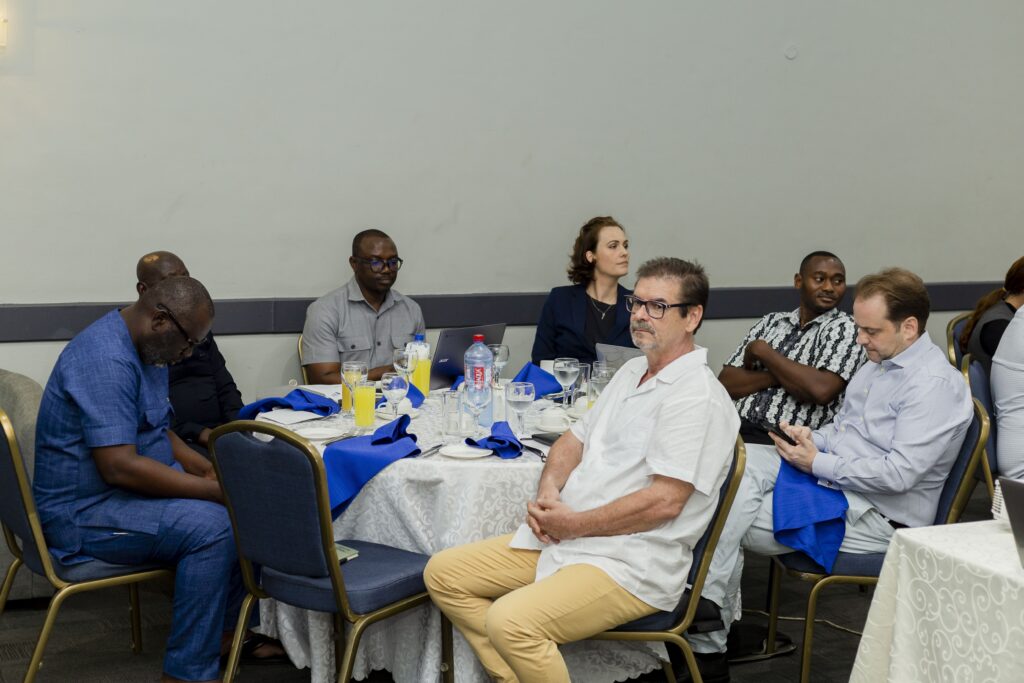
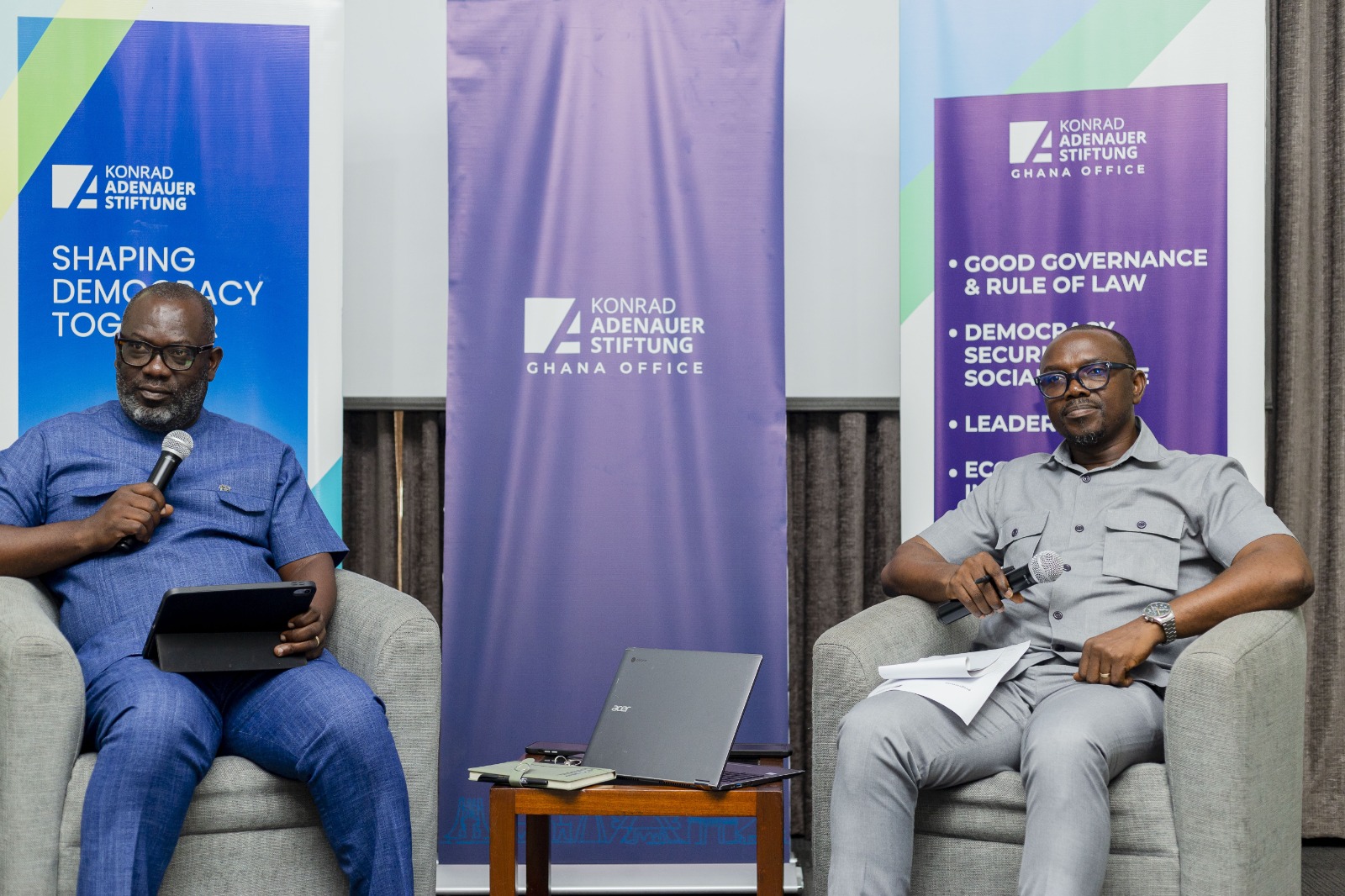
This was the central message at the latest edition of “Ma Yen Nkasa – Let’s Talk,” organised by the Konrad Adenauer Stiftung (KAS) Ghana Office on February 3, 2026, under the theme: “Migration as Development Policy? Can Remittances and Mobility Drive Sustainable Development?”
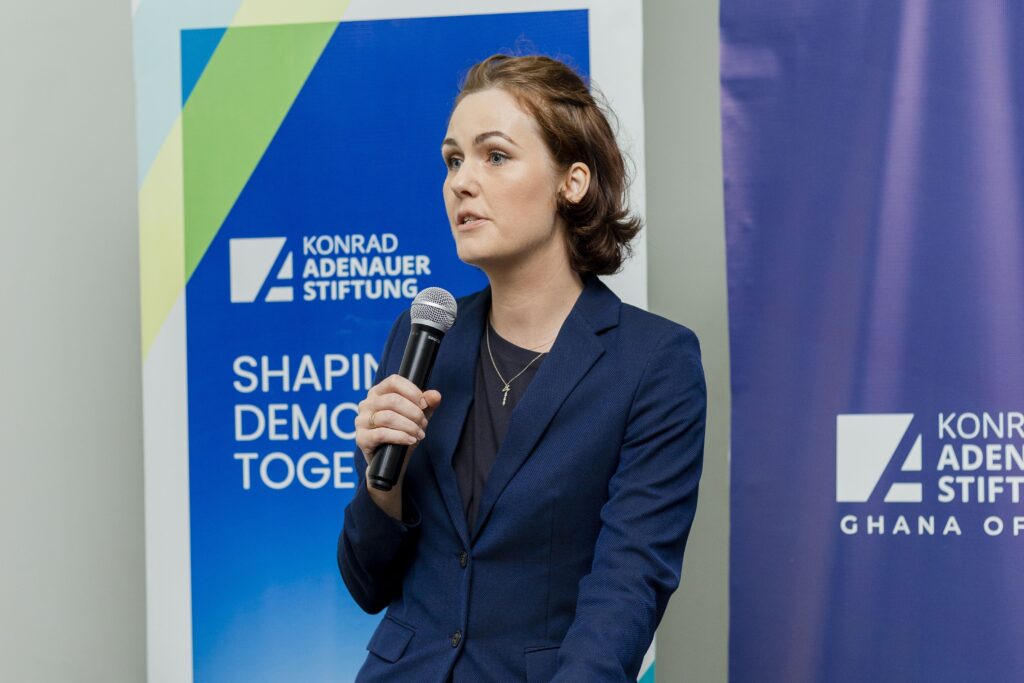
Speaking at the forum, Anna Wasserfall, Country Representative of KAS Ghana, highlighted the series’ aim: to create an open and respectful space for dialogue, learning, and critical reflection.
She noted that migration affects everyone — policymakers, practitioners, researchers, migrants, returnees, and families — and that today’s conversation builds on the momentum from the 2025 edition, which focused on return migration and reintegration.
“Migration can create opportunities — through skills transfer, financial flows, innovation, and global networks.
At the same time, it carries risks and challenges,” she said. She added that stakeholders have highlighted a key insight: migration and remittances can fuel development, but only when governments implement trust-based, structured investment systems that make remittances truly transformative.
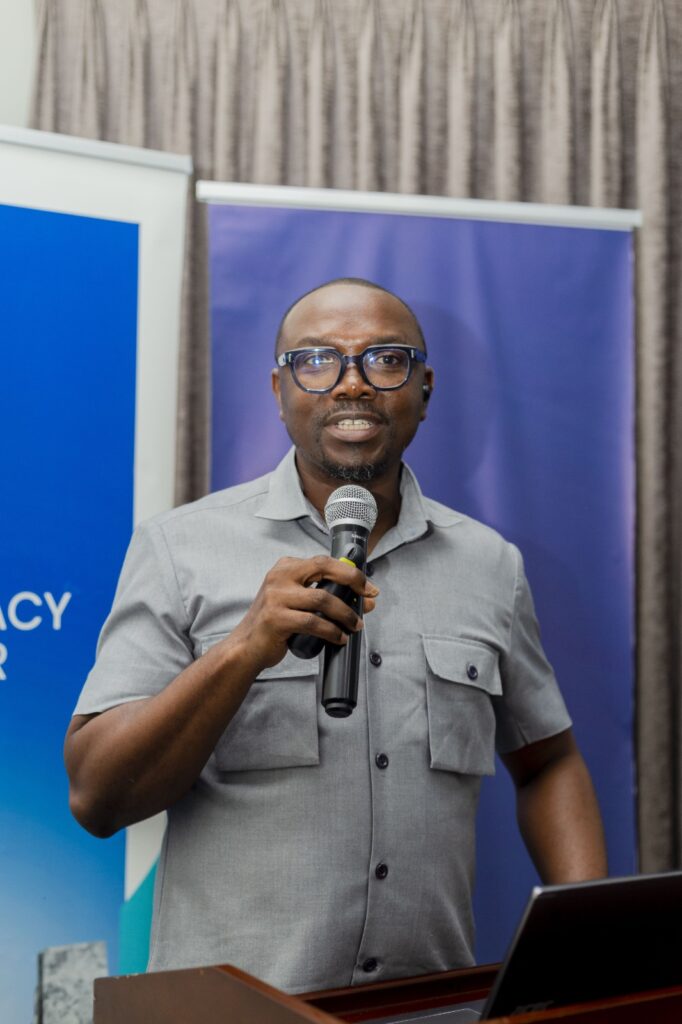
Mr Festus Owooson, Immigration and Operations Manager at Globetrotters Legal Affairs, said that while remittances play a crucial role in household survival, their broader development impact remains limited due to weak policy frameworks and persistent mistrust between governments and diaspora communities.
“The money will be consumed, but if it is structured into investment instruments, it can become transformational,” he said.
Owooson noted that diaspora bonds are a widely used development financing tool globally and that Ghana has issued similar instruments in the past.
However, he questioned whether these bonds genuinely attract Ghanaian migrants, citing frequent policy changes and political transitions as barriers to long-term investment.
“Because governments change every four or eight years, there isn’t that consistency for trust to be built,” he explained.
He added that older diaspora groups may be more inclined to invest but stressed the need for credible data and long-term policy stability.
He also suggested that while remittances are often used for consumption, short-term financial instruments such as Treasury bills and regulated investment schemes could enable families to meet daily needs while allowing governments to channel funds into productive sectors.
“In countries like Mexico and the Philippines, governments match diaspora funding. That’s how small projects become transformational,” he said.
The Ma Yen Nkasa series aims to feed balanced, evidence-based perspectives into public and political debate and highlight both the opportunities and risks of migration.
The forum also provided a platform for participants to reflect on how remittances, mobility, and structured investment strategies could be better harnessed to drive sustainable development across the continent.