
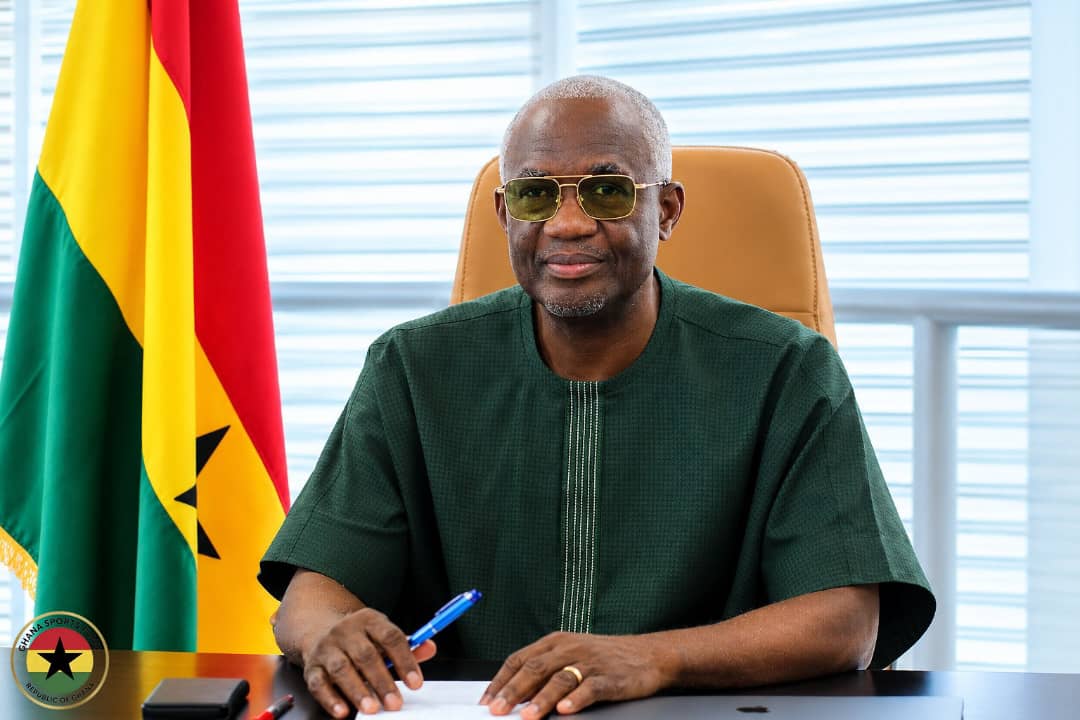
Africa must move beyond producing world-class football talent to owning the systems, clubs and commercial structures that turn that talent into wealth, Administrator of the Ghana Sports Fund, Dr David Kofi Wuaku, has said.
Dr Wuaku says the continent’s persistent failure to capture sufficient economic value from its football talent threatens its ability to build a sustainable sports industry, despite its abundance of gifted players.
Speaking at the Africa Football Business Summit 2026 in Accra, he argued that the critical question confronting African football was no longer whether the continent had enough talent, but who owned the value that talent created.
To illustrate the scale of the challenge, Dr Wuaku cited published media tallies suggesting that players of African descent occupied 61 of the 104 squad places across France, England, the Netherlands and Switzerland at the 2026 FIFA World Cup.
The figures, he noted, reflected media counts rather than official statistics. However, he used them to highlight how players with African roots are often developed and monetised within football systems outside the continent.
According to Dr Wuaku, Africa largely controls the earliest stages of the football value chain, including talent identification through schools, local clubs and communities, but captures far less value from player development, transfers, broadcasting rights, sponsorships and merchandise.
He said African clubs frequently bear the financial risks of developing young players only to sell them early, sometimes at prices determined by foreign markets and intermediaries.
“If African capital builds and owns the supply side, African capital will own the value that follows,” he argued.
Dr Wuaku called for greater African investment in academies, coaching, modern sports facilities and professionally managed clubs to enable the continent to develop and retain quality players for longer.
He also advocated stronger club governance, audited accounts and transparent transfer arrangements that allow clubs and academies to benefit from training compensation and sell-on fees.
Such reforms, he said, would help transform player development from an expense into an investment capable of generating sustainable returns for African clubs and economies.
The Administrator said African ownership of the football value chain could also create jobs, strengthen sports infrastructure and provide resources to develop the next generation of athletes.
The Ghana Sports Fund, established under the Ghana Sports Fund Act, 2025 (Act 1159), is mandated to support sustainable sports financing, including infrastructure, grassroots development, talent identification and athlete welfare.
Dr Wuaku said the continent must ultimately shift from celebrating its football talent to building the financial and institutional capacity to benefit from it.
“Sixty years ago, Africa fought for a seat at the table. Today, we must win ownership of the value,” he said. Enditem


