By Francis Kobena Tandoh
The World Bank Group on Monday held the Western and Central Africa (AFW) Youth Forum in Accra, the Ghanaian capital, as part of efforts to shape Africa’s job agenda.
Held under the theme, “Youth Works, Africa Thrives,” the forum brought together policymakers, development partners, private sector leaders, and young entrepreneurs to explore practical solutions for job creation and inclusive economic growth across the continent.
The forum provided a platform for dialogue on how governments, businesses, and development institutions can collaborate to equip young Africans with the skills, financing, and opportunities needed to drive sustainable development, entrepreneurship, and innovation.
The discussions centered on job creation, entrepreneurship, digital innovation, agribusiness, access to finance, business standards, and skills development, with participants stressing that Africa’s youthful population represents one of its greatest economic assets.
In her opening remarks, Michelle Keane, the World Bank’s operations manager for Ghana, Liberia, and Sierra Leone, said the forum was intentionally designed as a listening platform where young people could openly share their experiences, challenges, and ideas for shaping policies that directly affect their future.
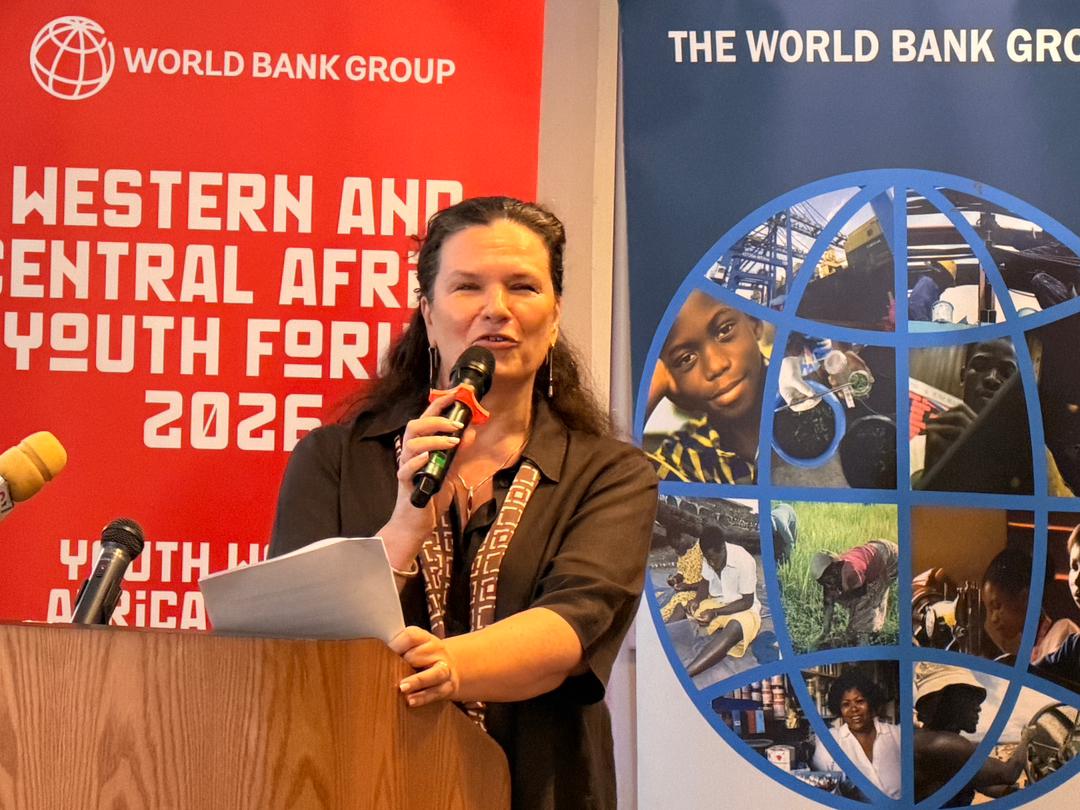
“We’re here to listen to your realities, your challenges, and your solutions. What is holding you back? What support matters most? What would enable you to build, scale, and thrive?” she said.
According to her, Ghana has all the critical tools necessary for job creation vis-à-vis an entrepreneurial culture, a growing digital ecosystem, and a vibrant network of small and medium-sized enterprises (SMEs) but stressed the need to address the challenges confronting such businesses as the country pursues its economic recovery process.
“Our analysis shows that while many SMEs are established, they often struggle to achieve productivity and sustainable growth. Limited access to finance, market opportunities, practical job-relevant skills, mentorship, and digital tools remain significant barriers,” said Keane.
“Ghana has strong foundations to build upon. As Ghana continues its economic recovery and pursues more inclusive growth, addressing these challenges must remain a national priority,” added the World Bank’s operations manager for Ghana, Liberia, and Sierra Leone.
She emphasized the importance the bank attaches to jobs and urged coordinated action from governments and the private sector to tackle youth unemployment.
“At the World Bank Group, jobs are at the center of our work and require coordinated action from both the public and private sectors.
She outlined some interventions by the bank, including a 300 million United States dollar initiative aimed at ending the double-track system in senior high schools in Ghana to strengthen education quality and prepare students with skills needed for higher education and the labor market, as well as the International Finance Corporation’s (IFC) support for small and medium-sized enterprises, noting that expanding access to finance remains a key strategy for stimulating job creation.

Senior Agriculture Economist for Ghana and West Africa at the World Bank, Dr. Ashwini Sebastian, mentioned the disparity between labor market demand and job creation.
Ghana, according to her, has created about 435,000 jobs over the past decade, with nearly 3.7 million young people entering the labor force during the same period, stressing the basis for pragmatic interventions to generate sustainable employment opportunities.
She emphasized that the disparity points to a structural challenge that cannot be addressed through conventional approaches alone but requires comprehensive policy reforms, increased private sector investment, and stronger support for youth entrepreneurship.
Dr. Ashwini further emphasized agriculture as one of Ghana’s most underutilized engines of job creation and economic transformation, with less than five percent of the country’s agricultural exports unprocessed, limiting value addition, industrial growth, and employment opportunities across the agricultural value chain.

She urged the need to expand agro-processing and invest in value-added production to offer job opportunities for young people while boosting exports, strengthening local industries, and accelerating inclusive economic growth.
Technical Specialist for Digital Finance and Ecosystem at the United Nations Capital Development Fund (UNCDF), Maame Yaa Owusu-Amoah, observed that persistent financing challenges facing young entrepreneurs remain one of the biggest barriers to business growth and innovation.
Despite the availability of various funding opportunities for businesses to explore, many youth-led enterprises, according to her, struggle to access such investment because they lack formal business structures, reliable financial records, and data-driven growth strategies that inspire investor confidence.
Ms. Owusu-Amoah emphasized that securing funding requires more than a good business idea, noting that investors were increasingly looking for enterprises with clear business models, sound governance systems, measurable performance indicators, and credible growth plans.
She urged young entrepreneurs to invest in strengthening their operational and financial foundations to engender sustainable financing and long-term success.
During the discussion segment, some young employers urged job-seekers to look beyond academic qualifications and technical expertise but work on soft skills, including placing equal value on positive attitude, character, and adaptability.
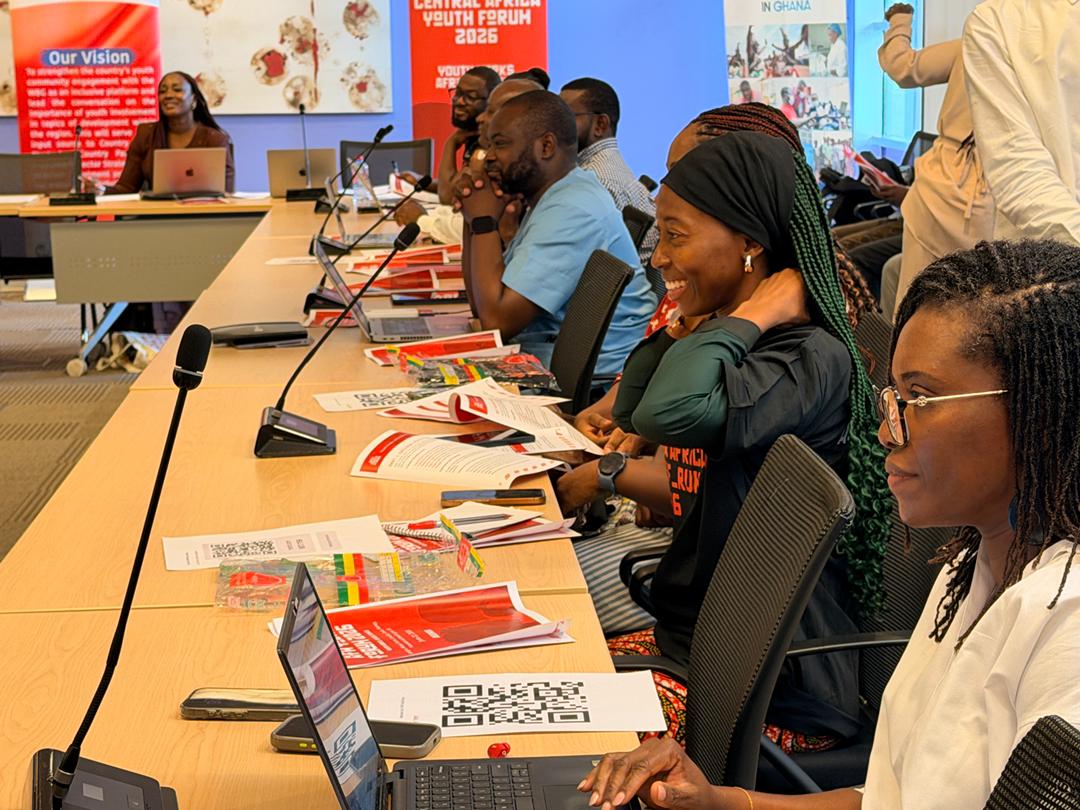
According to them, qualities such as passion, discipline, resilience, and a willingness to learn often set candidates apart in a competitive labor market.
Participants also stressed the importance of trust, credibility, and internationally recognized standards in building businesses that can compete and thrive in the global marketplace.
Africa is home to the world’s youngest and fastest-growing youth population with approximately 196 million young people (aged 10–24) living in the Western and Central Africa alone.
By 2050, the region is projected to account for nearly one in five young people worldwide, underscoring its growing importance in shaping the future global workforce. More than 70 percent of Sub-Saharan Africa’s population is under the age of 30, representing one of the continent’s greatest assets and most significant
opportunities for economic transformation, innovation, and sustainable development.
At the same time, translating this demographic potential into prosperity hinges on skill readiness. Yet a child born today in AFW is estimated to reach only 38 percent of their productive potential – reflecting gaps in education, health, and workforce preparation. Enditem
Source: Ghana Eye Report