By Abel Manomey, Lecturer, Department of Physical Education and Sports Studies, University of Ghana
Professional football offers opportunities for fame, wealth, and social mobility, yet many players struggle with the transition to retirement. For African footballers in particular, retirement is often marked by economic hardship, social pressures, and psychological difficulties due to structural inequalities and limited career preparation (Ungruhe & Agergaard, 2020; Darby, Esson & Ungruhe, 2022).
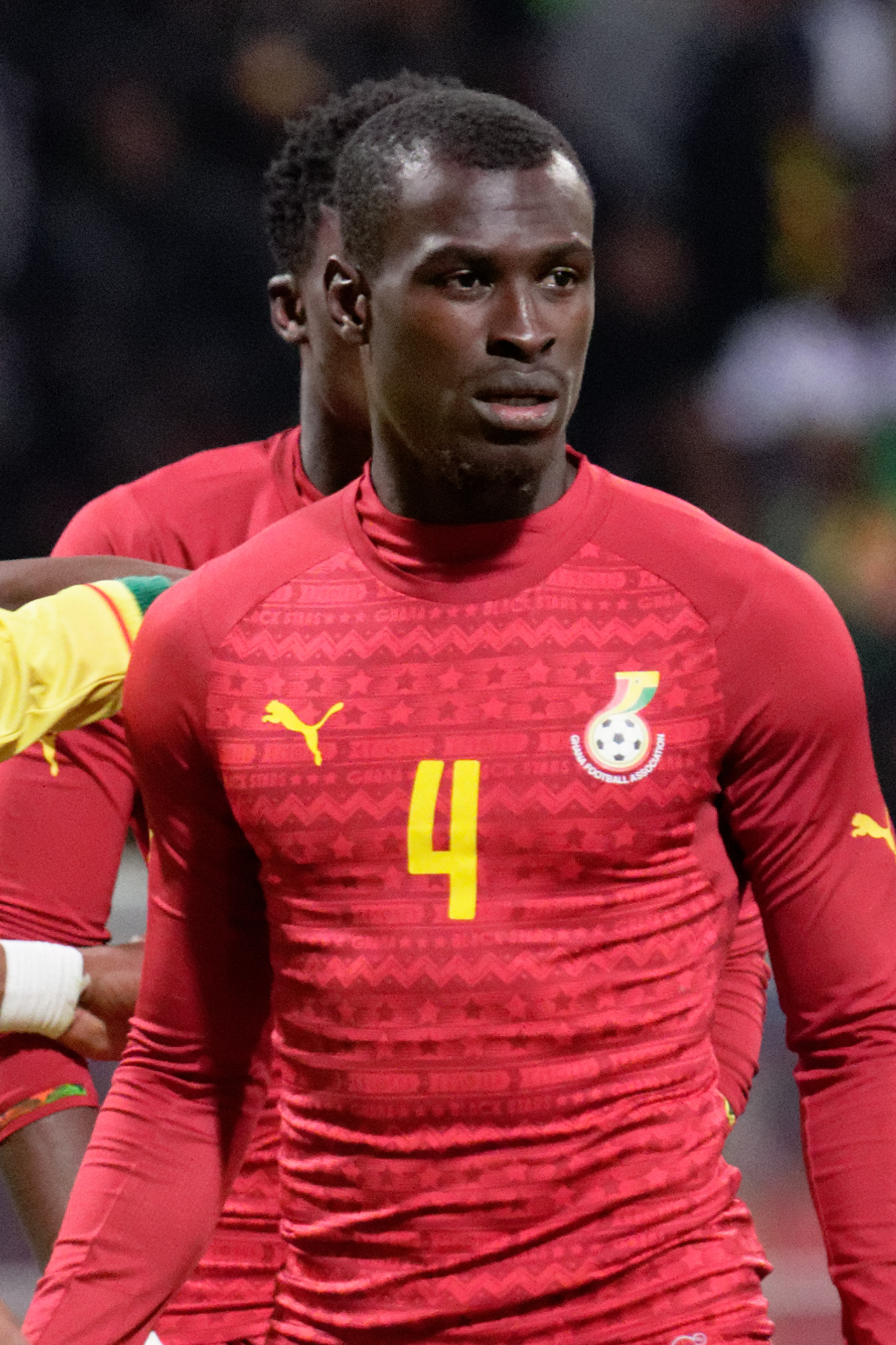
In Ghana, although football has historically provided a pathway out of poverty, many retired players face unemployment, financial instability, and emotional distress. The recent challenges of former Black Stars defender Edwin Gyimah—who, despite a successful career with clubs such as Super Sport United and Orlando Pirates, now reportedly faces serious personal and financial difficulties (Transfermarkt 2024)—highlight broader post-retirement struggles among Ghanaian ex-professional footballers. The difficulties experienced by Gyimah are not unique. Several Ghanaian ex-professional footballers have faced similar struggles after retirement. However, scholars argue that athlete retirement is often characterized by loss of identity, financial insecurity, and limited career alternatives (Park, Lavallee, & Tod, 2013).
A major challenge for retired African footballers is financial instability. Although players may earn significant incomes during their active careers, many lack effective financial planning and investment strategies, leading to rapid depletion of savings after retirement. In Ghana, this issue is worsened by the absence of formal financial advisory systems within football institutions. Additionally, many players face heavy financial responsibilities toward extended families and communities, which further strains their resources during and after their playing careers.
Admittedly, career transition planning remains limited within African football systems. Unlike European leagues, where player unions and clubs provide career counselling and educational opportunities, many Ghanaian footballers retire without formal preparation for life beyond the pitch. Research suggests that athletes who engage in education or vocational training during their playing careers adapt more successfully to retirement (Stambulova & Wylleman, 2019). Conversely, such opportunities remain scarce for many Ghanaian players.
Another critical factor affecting retired footballers is social and familial expectations. Successful athletes are often perceived as primary financial providers for extended family networks. These expectations may lead to financial strain and conflicts, particularly when a player’s income declines after retirement. Gyimah’s reported property dispute illustrates how family conflicts can exacerbate the challenges of post-career transition.
Retirement from professional sport can lead to psychological difficulties such as depression, loss of identity, and social isolation. This is largely because many athletes strongly define themselves through their sporting careers, making it challenging to adjust when those careers end. Recent research in sport psychology indicates that retirement often triggers identity disruption, emotional distress, and difficulty finding new purpose, especially among athletes with a narrowly defined athletic identity (Zengaro & Carmack, 2025). Studies also suggest that failure to rebuild or diversify identity after retirement increases the risk of depression and withdrawal, highlighting the need for better transition support systems for retiring athletes (Schmidt & Conzelmann, 2024).
The experience of Edwin Gyimah highlights how short-lived and uncertain professional football careers can be, as well as the difficulties athletes often encounter after retirement. Although he achieved notable success during his playing career, his current personal and financial struggles reveal weaknesses in athlete welfare systems within Ghanaian football. To address these challenges, coordinated action is needed from football authorities, clubs, policymakers, and educational bodies. Strengthening welfare and transition support systems would help ensure that professional footballers are better protected and supported after ending their playing careers.
References
Darby, P. & Esson, J., & Ungruhe, C. (2022). African football migration: Aspirations, experiences and trajectories. Manchester University Press. Availability: 10.7765/9781526120274. Accessed [January 2022]
Park, S., Lavallee, D., & Tod, D. (2013). Athletes’ career transition out of sport: A systematic review. International Review of Sport and Exercise Psychology, 6(1), 22–53. Availability: https://doi.org/10.1080/1750984X.2012.687053
Schmidt, J., & Conzelmann, A. (2024). Athletic identity and career transition outcomes in elite sport: A systematic review. Psychology of Sport and Exercise, 72, 102596.
Stambulova, N., & Wylleman, P. (2019). Psychology of athletes’ dual careers: A state-of-the-art critical review. Psychology of Sport and Exercise, 42, 74–88. Accessed [May 2019] Availability: https://doi.org/10.1016/j.psychsport.2018.11.013
Transfermarkt. (2024). Player profile of Edwin Gyimah.
Ungruhe, C., & Agergaard, S. (2020). African football migration and career trajectories. World Forum Accessed [2nd July, 2021] Availability:https://theconversation.com/the-precarious-fate-of-african-footballers-in-europe-after-their-game-ends-153510
Zengaro, F., & Carmack, H. J. (2025). Psychological adjustment and identity disruption in retired professional athletes: A meta-analytic review. International Journal of Sport and Exercise Psychology, 23(1), 45–63.