By Francis Kobena Tandoh
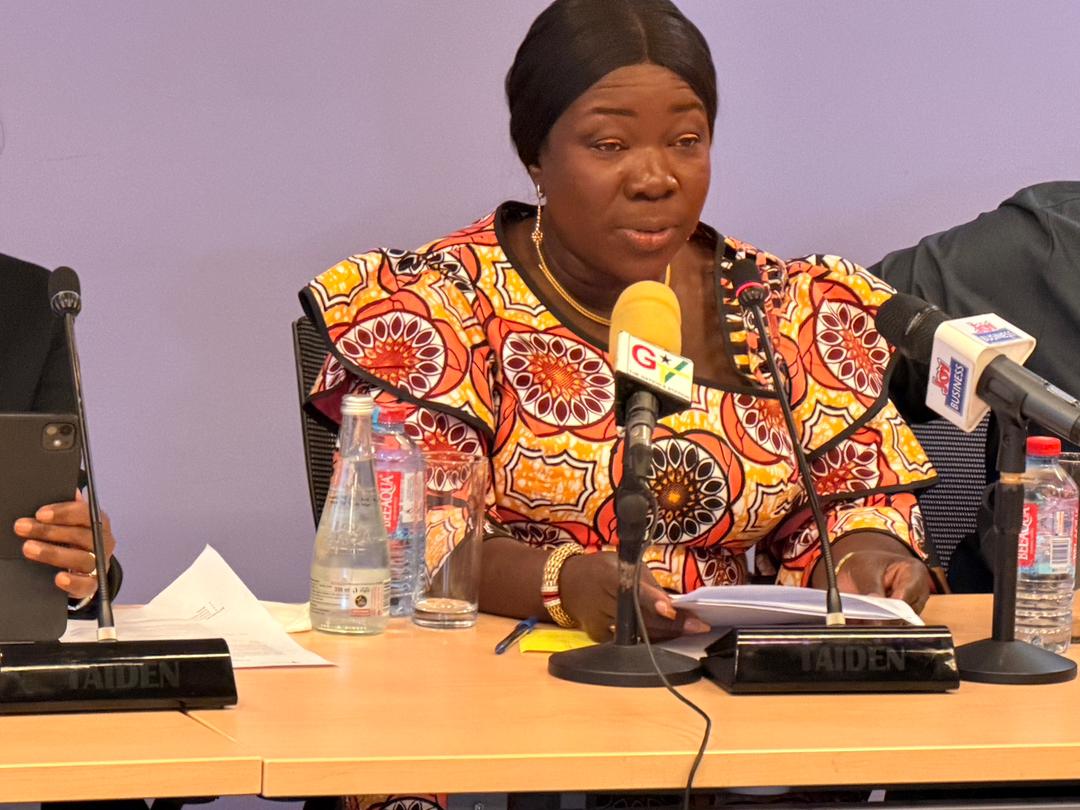
Ghana is targeting to process at least 50 percent of its raw materials to boost job creation and prosperity under the government’s trade transformation agenda, Minister for Trade, Agribusiness, and Industry Elizabeth Ofosu-Adjare said late Thursday.
Speaking at a seminar on the theme “Rethinking trade for growth and jobs in Ghana,” the minister said Ghana’s trade transformation agenda is firmly anchored in deliberate policy and decisive action.
According to her, the country can no longer continue with the old model of exporting raw materials while importing finished goods.
“Ghana has set a target to process at least 50 percent of its cocoa domestically, and we have already installed grinding capacity of over 500,000 metric tons to back that ambition. The same logic is being applied to gold. Ghana is Africa’s leading gold producer. The days of exporting unrefined bars while the refining margin is captured abroad are behind us,” said the trade minister.
She also explained that the government’s flagship 24-hour economy program has been designed to extend productivity, deepen value addition, and deliver the conditions for sustained, job-rich growth.
Ghana’s processing industries have been operating below capacity due to a lack of reliable raw materials; hence, the decision by the government to place a ban on the export of key raw materials, according to the trade minister, is to ensure they are able to feed the domestic industries first to enable them to produce the volumes needed for both the local and export markets.
Ofosu-Adjare emphasized that her ministry has engaged manufacturers, exporters, trade associations, and relevant stakeholders to address operation challenges and champion quality standards as well as create the needed jobs for the people.
Seynabou Sakho, the World Bank regional director for prosperity for Western and Central Africa, highlighted the significance of trade in the region not only as a source of foreign exchange but also as a driver of livelihoods across generations, productivity, firm growth, technology adoption, investment, and better jobs.
She commended Ghana for the macroeconomic and social stability, a dynamic and entrepreneurial private sector, a growing services industry, and its strategic role as host of the African Continental Free Trade Area (AfCFTA) secretariat.
Seynabou, however, expressed worry over almost 12 billion United States dollars (USD) in untapped export potential of the West African country.
The World Bank regional director stressed that Ghana could potentially double its exports to create jobs and prosperity by addressing the constraints to trade.
“Estimates suggest there is around 12 billion USD in untapped export potential. This represents a major opportunity for job creation and economic transformation. Realizing this potential will require addressing constraints in trade policy, trade facilitation, and production capacity while also diversifying into higher value-added goods and services and enabling firms to scale. Enditem
Source: Self