African and Chinese officials, academics and experts on Wednesday hailed seven decades of China-Africa cooperation and called for stronger partnerships to accelerate Africa’s economic transformation.
The remarks were made during an online seminar organized by Africa-China Review in collaboration with the Chinese Embassy in Rwanda to mark 70 years of China-Africa cooperation.
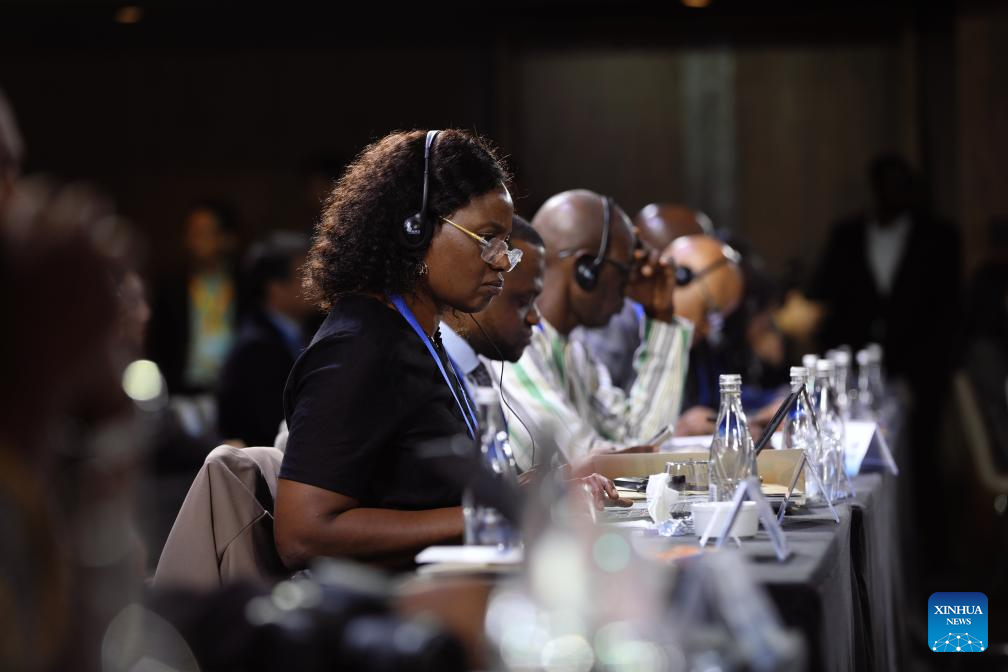
The half-day event, moderated by Gerald Mbanda, China-Africa Review founder and researcher, brought together diplomats, researchers, academics and media professionals to reflect on the achievements of the partnership and explore opportunities for future cooperation.
Fidelis Mironko, permanent secretary in Rwanda’s Ministry of Foreign Affairs and International Cooperation, said China had been a valuable development partner in Rwanda’s transformation journey, supporting cooperation in infrastructure, healthcare, education, agriculture, science and technology.
“Our experience together has shown what countries can achieve through cooperation, and we look forward to achieving even more together,” Mironko said.
Speaking at the webinar, Chinese Ambassador to Rwanda Gao Wenqi said China and Africa had maintained relations founded on equality, mutual respect and shared development since the establishment of diplomatic ties between China and Egypt in 1956.
“China respects Africa’s choices, supports African solutions to African problems, and wants to see Africa’s voice strengthened in global affairs,” Gao said.
He said China would continue working with Rwanda and other African countries to expand market access for African products, promote local employment and strengthen cooperation in emerging sectors, including green energy, digital technology, agricultural modernization and manufacturing.
Li Wenfei, deputy director of Xinhua News Agency Africa Regional Bureau, emphasized the role of media and cultural exchanges in strengthening mutual understanding.
He called for closer collaboration among African and Chinese media organizations, researchers and young professionals to promote dialogue and broaden understanding between the two sides.
Adhere Cavince, a Nairobi-based scholar of international relations, said the partnership had contributed to infrastructure development and expanded economic opportunities in Kenya, citing railway and road projects as examples of investments intended to improve connectivity and support economic activity.
Li Hongfeng, dean of the School of African Studies of Beijing Foreign Studies University, called for stronger vocational training, joint academic research, teacher development and digital education, saying educational partnerships should respond to African countries’ development priorities and strengthen local professional capacity.
Nicholas Dweh Nimley, managing editor of South Liberia Post, highlighted China’s contribution to Liberia’s development through infrastructure, healthcare, education, scholarships and professional training.
He noted that the partnership had created opportunities for industrialization, technology transfer and job creation, emphasizing that mutual respect, equality and non-interference had helped strengthen China-Africa relations. Enditem
Source: Xinhua