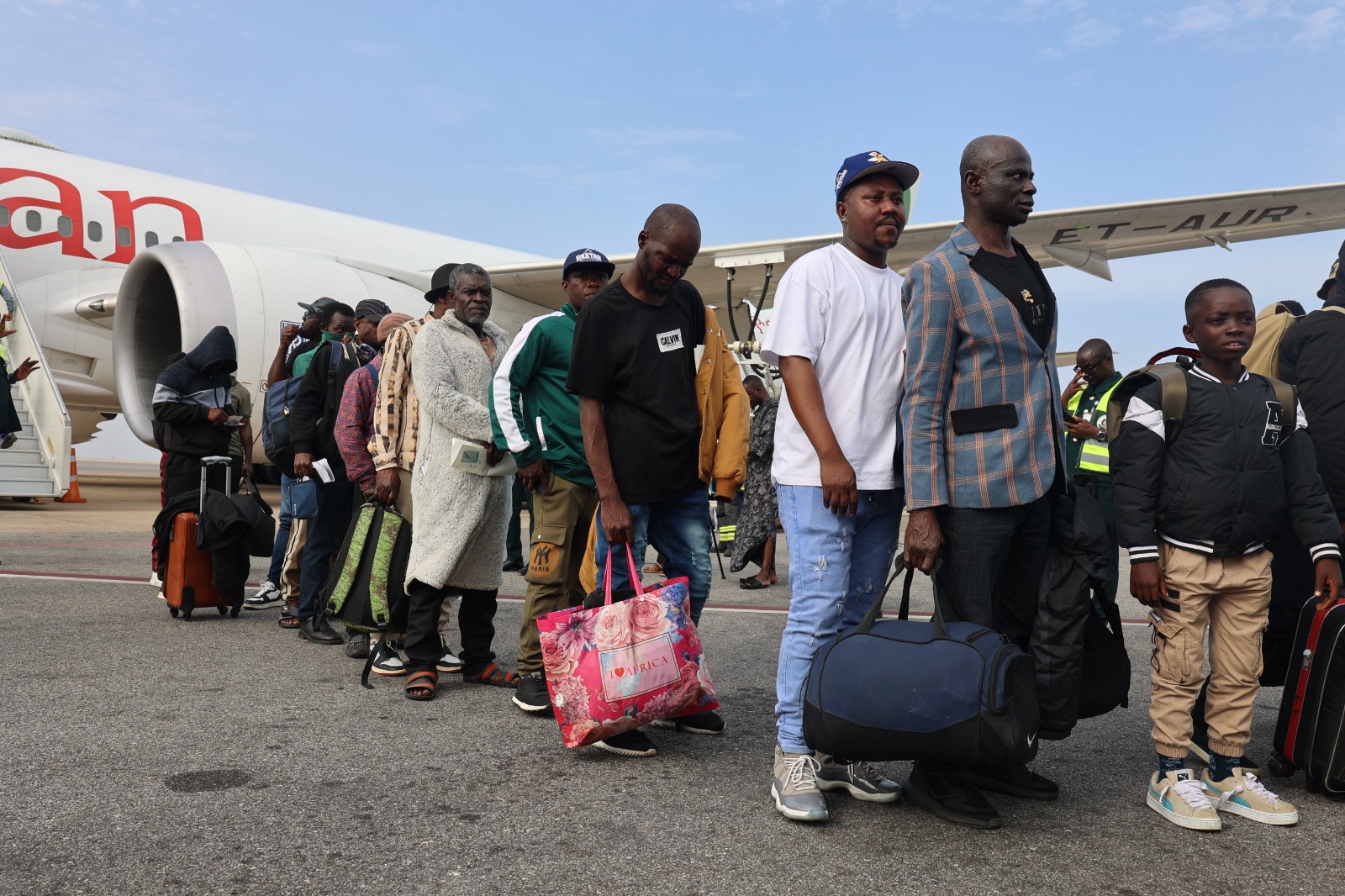
A fresh batch of Ghanaians stranded in South Africa following recent xenophobic attacks is expected to arrive home today, Saturday, July 25, as the government begins the final phase of its mass evacuation exercise, Ghana’s High Commissioner has disclosed.
The repatriation exercise forms part of a broader programme for nearly 900 Ghanaian nationals who voluntarily requested to return home after violence targeting foreign nationals heightened fears over their safety and livelihoods.
The final evacuation follows earlier flights that successfully brought hundreds of Ghanaians back to the country, as the government now moves to complete what officials describe as the last stage of the emergency exercise.
Announcing the operation on July 14, Ghana’s High Commissioner to South Africa, Benjamin Quashie, said the evacuation had been made possible through the intervention of the Office of the President and the Ministry of Foreign Affairs in response to growing concerns over the security and welfare of Ghanaians affected by the attacks.
Addressing members of the Ghanaian community in South Africa, Mr Quashie disclosed that about 926 Ghanaians had already been repatriated during earlier phases. At the same time, the remaining registered individuals would be flown home beginning July 25.
“We are going to do the final repatriation of close to 900 Ghanaians who have voluntarily given their names here in South Africa that they want to go,” he said.
He explained that the evacuation would be carried out in phases, with flights departing daily until every registered Ghanaian had been safely returned home.
According to the High Commissioner, the completion of the exercise will mark the end of the government’s large-scale evacuation programme, after which any Ghanaian seeking assistance to return home will be supported through Ghana’s regular consular services rather than emergency repatriation arrangements.
Mr Quashie commended President John Dramani Mahama and the Minister for Foreign Affairs, Samuel Okudzeto Ablakwa, for facilitating the evacuation, describing it as a demonstration of the government’s commitment to protecting the welfare and safety of Ghanaians living abroad.
The repatriation follows weeks of anxiety among members of the Ghanaian community in South Africa after xenophobic attacks forced many to seek refuge and ultimately opt for voluntary return to Ghana. The arrival of today’s batch is expected to bring relief to families who have waited anxiously for the safe return of their loved ones.
The crisis has also drawn the attention of the highest levels of government. President Mahama recently disclosed that South African President Cyril Ramaphosa had dispatched a delegation to Ghana to discuss the recurring attacks on foreign nationals.
Speaking during a meeting with the Chairperson of the African Union Commission, Mahmoud Ali Youssouf, at the Jubilee House on Wednesday, July 22, President Mahama said he used the engagement to impress upon the South African delegation the need for greater openness in confronting the recurring violence.
He stressed that Ghana’s decision to raise concerns over the attacks was not intended to strain bilateral relations but to encourage transparency and ensure the safety of African nationals living in South Africa.
As another flight lands today carrying citizens fleeing violence, the evacuation marks the end of a difficult chapter for hundreds of Ghanaian families forced to abandon the lives they had built abroad in search of safety back home. Enditem