By Francis Kobena Tandoh
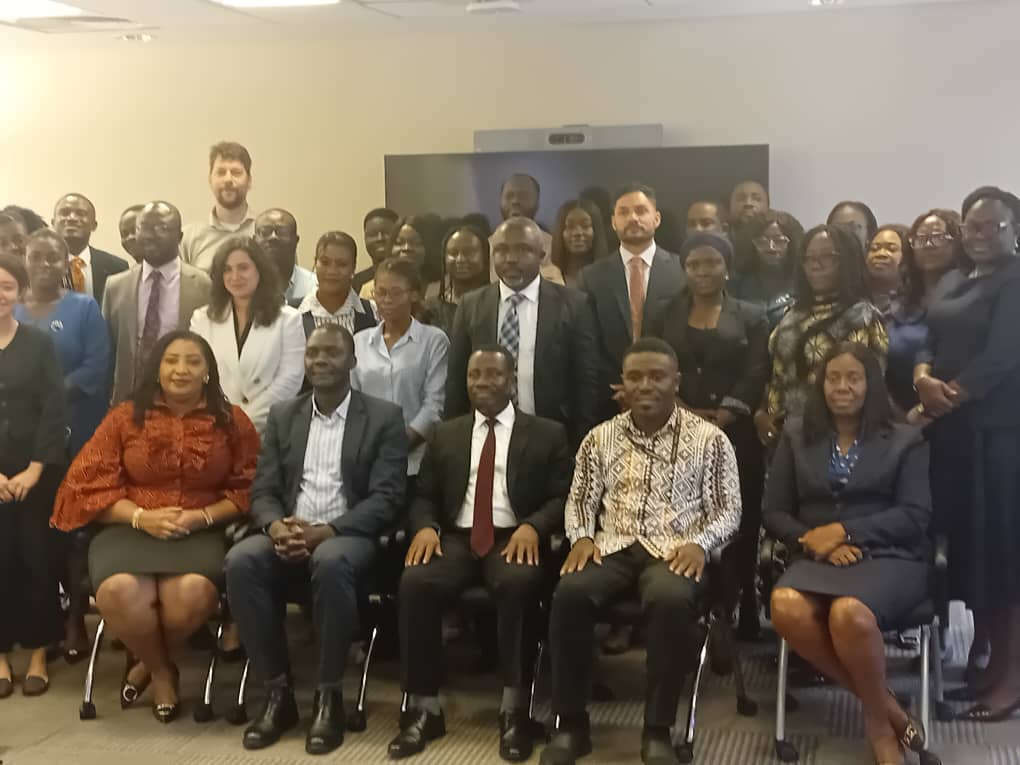
Ghana’s development ambitions require reliable domestic revenues, Raymond Muhula, Lead Public Sector Specialist for the World Bank, said this during the opening of a two-day workshop for staff of the Ghana Revenue Authority (GRA) in the Ghanaian capital on Monday.
Addressing participants at the workshop under the theme, “Leveraging Social & Behavioral Change Communications (SBCC) for Tax Compliance in Ghana,” Muhula said funding capital expenditure, social protection, and climate resilience depend on a public finance system that can mobilize resources fairly, efficiently, and sustainably.
He, however, emphasized that despite the growing need for revenue to fund the country’s developmental agenda, external financing becomes more constrained and stressed the need to strengthen voluntary tax compliance.
“Ghana’s development ambitions require reliable domestic revenues. Roads, schools, hospitals, digital services, security, social protection, and climate resilience all depend on a public finance system that can mobilize resources fairly, efficiently, and sustainably,” said the World Bank Lead Public Sector Specialist.
“As external financing becomes more constrained and citizens rightly demand better services and accountability, strengthening voluntary tax compliance becomes central to the national development agenda,” he added.
Ghana, he emphasized, is already taking important steps to strengthen compliance, expand the tax net, simplify processes, and use digital tools more effectively, some of which are supported by the World Bank’s US$150 million Public Financial Management for Service Delivery Program.
Muhula stressed that such reforms will succeed only if they are matched by communication that is clear, credible, inclusive, and practical.
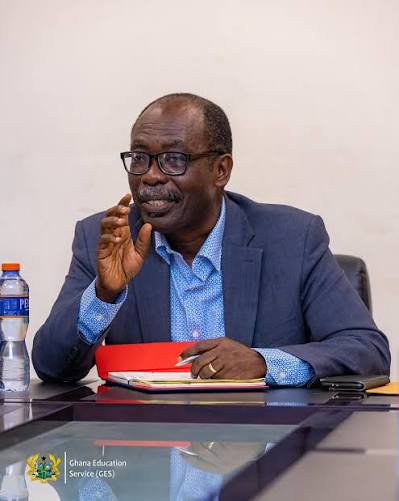
Dr. Alex Adomako Mensah, Commissioner at the Support Services Division for the Ghana Revenue Authority (GRA), said tax administrations are recognizing that effective communication is central to improving voluntary compliance and enhancing public trust.
“While enforcement and audits remain important, experience has shown that lasting compliance is achieved when taxpayers clearly understand their obligations, feel respected, and receive timely, accurate, and consistent information,” said Dr. Adomako Mensah.
The training workshop, he emphasized, fits within GRA top management’s vision of “Transformation for Impact and Growth” as it also supports their ambition of mobilizing GH¢360 billion in revenue by 2028, a target that, according to him, is critical to Ghana’s economic development.
He expressed his appreciation to the World Bank and the Swiss State Secretariat for Economic Affairs (SECO) for organizing the workshop, which, according to him, demonstrates their commitment to strengthening public institutions and building the capacity of the people. Enditem
Source: Ghana Eye Report