China’s imports from Africa increased by 23.3 per cent year-on-year by the end of September 2026, signalling continued growth in trade between China and the continent.
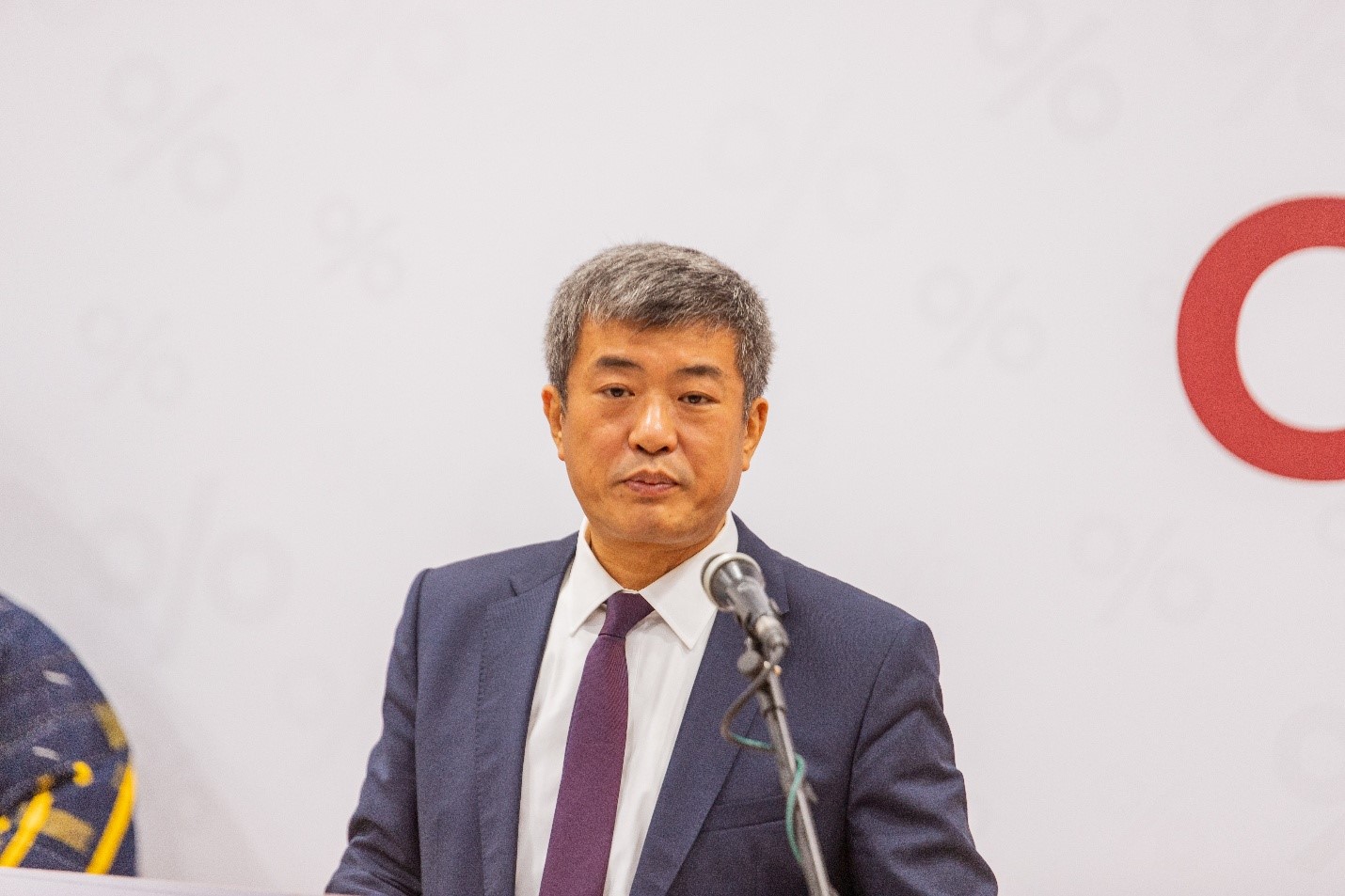
Chinese Ambassador to Ghana, H.E. Cong Song, disclosed the figures during his keynote address at the High-Level Ghana–China Zero-Tariff Forum 2026, held at the Africa Trade House in Accra.
“By the end of September, China’s imports from Africa rose by 23.3% year-on-year, and exports to Africa increased by 23.9%,” Ambassador Cong said.
The increase comes as China implements zero-tariff treatment for products from 53 African countries with which it maintains diplomatic relations. The policy, which took effect on 1 May 2026, covers products from Ghana and other eligible African countries.
Ambassador Cong also disclosed that China–Africa trade reached US$348 billion in 2025, representing a year-on-year increase of 17.7 per cent. He said the implementation of the zero-tariff policy had further opened opportunities for African products to enter China’s consumer market of more than 1.4 billion people.
African products such as Ethiopian coffee, Kenyan avocados, South African wine and Egyptian oranges are increasingly reaching Chinese consumers. For Ghana, the policy could improve the competitiveness of cocoa products, cashew, shea butter, textiles, handicrafts and other eligible exports by reducing market-entry costs.
The Ambassador noted that some Ghanaian cocoa products previously faced tariffs ranging from eight to 22 per cent when entering China. Their removal could provide Ghanaian exporters with a price advantage and create opportunities to expand their share of the Chinese market.
Beyond trade, Ambassador Cong said improved market access could encourage investment in manufacturing and local processing. This could help African countries move from exporting raw materials towards producing higher-value goods, while creating employment and supporting farmers and small businesses.
He nevertheless acknowledged that translating the policy into tangible export growth would require considerable work. Ghana must identify priority products, address institutional bottlenecks and align its domestic production capacity with Chinese standards and market requirements.
Co-hosted by the Africa-China Centre for Policy and Advisory (ACCPA) and CEIBS Africa, with support from Prudential Bank Ghana Limited, the Forum attracted about 200 participants from government, businesses, financial institutions, diplomatic missions, development partners, academia, trade-support agencies and the media.
Discussions emphasised that Ghana must strengthen production, standards compliance, certification, export finance, logistics and connections with credible Chinese buyers to secure a meaningful share of China’s growing demand for African products. Enditem